Septic Dye Test Inspection
Professional dye testing inspections that trace, detect, and diagnose septic system failures before they contaminate your property – helping you verify plumbing integrity and identify problems connected to your wastewater treatment
Licensed & Insured
NOWRA certified technicians on every job
24/7 Emergency Service
Available whenever you need us most
Nationwide Coverage
Serving all 50 states across the USA
Transparent Pricing
Flat rates with no hidden fees
Get Immediate Service
Speak directly with our team – no automated systems
24 Hours – 7 Days a Week
5 Highlights on Septic Dye Test Inspection
Fluorescein dye tracing for accurate results
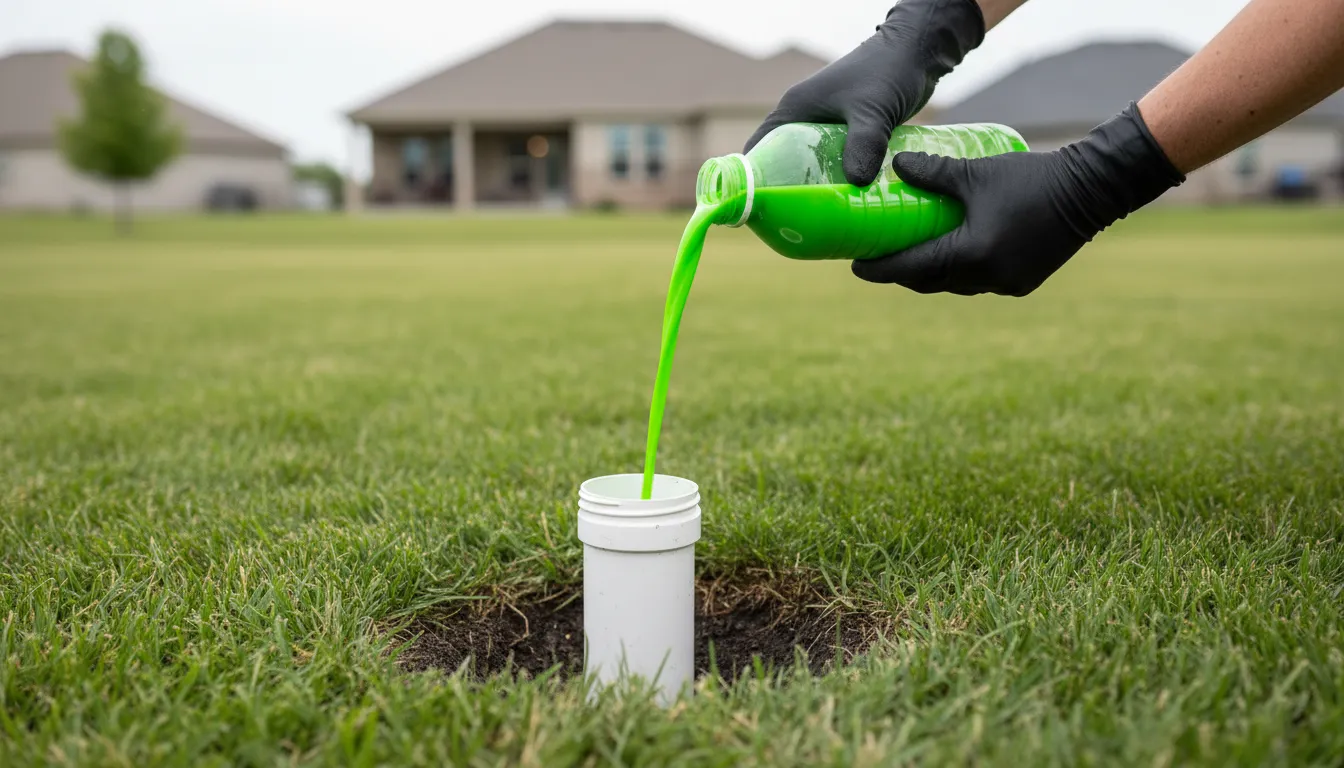
Our technicians introduce non-toxic fluorescein dye tablets into your septic system and trace effluent flow through the drain field, distribution box, and lateral lines to detect leaks, breakouts, and surface pooling that signal failing components. Our tests help find site-specific issues quickly.
Compliant with local health department standards
Every septic dye test inspection we perform meets municipal and county permit requirements, so your certificate holds up during real estate transactions, property transfers, and regulatory reviews. We ensure all required standards are met.
Fast, same-day reporting
We observe dye movement, document traceable evidence of system function or failure, and deliver a detailed inspection report within hours – not days. You get complete job details fast.
Non-invasive diagnostic method
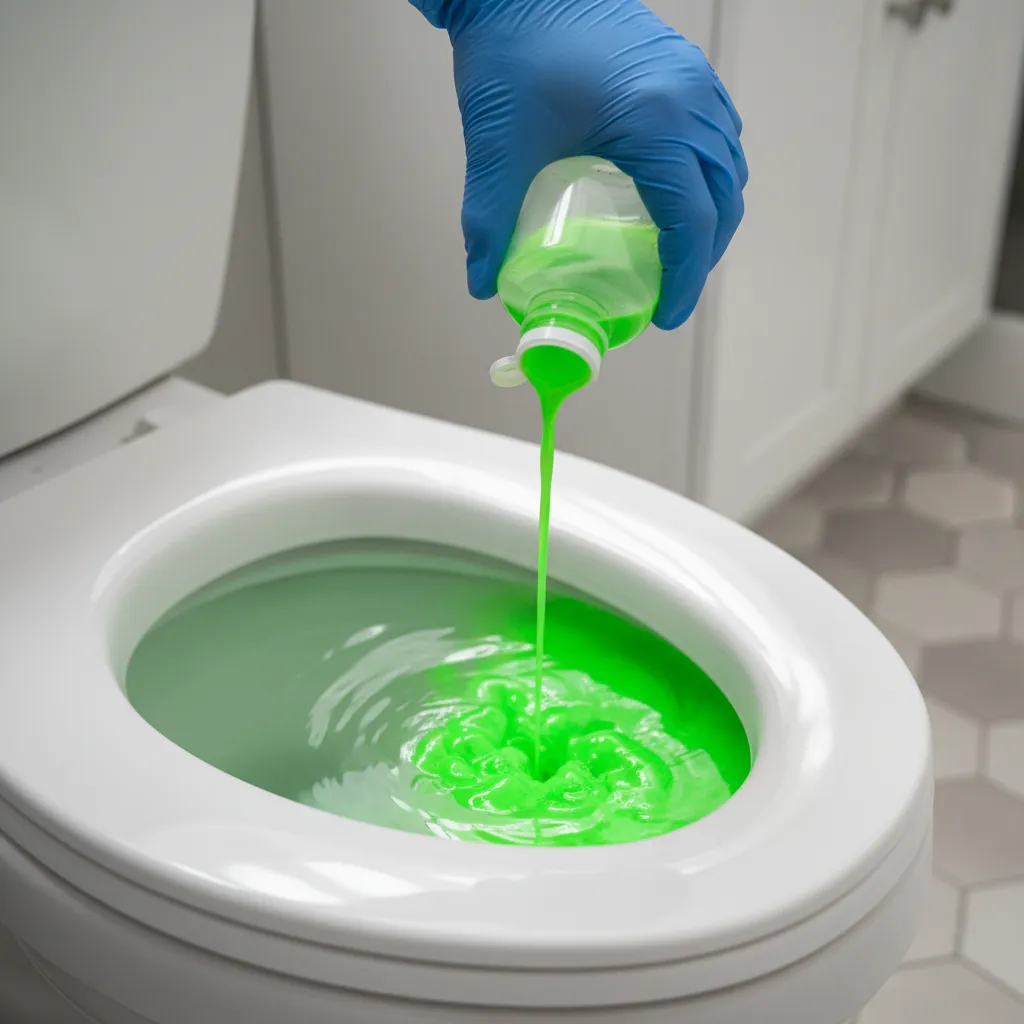
A septic dye test inspection doesn’t require excavation or heavy equipment. We flush soluble tracer dye through fixtures, monitor the drain field and observation tubes, and assess your own system’s condition with minimal disruption to your property, regardless of the type.
Trusted by homeowners, realtors, and contractors
Action Septic Service has performed thousands of dye test inspections for residential and commercial properties, earning a reputation as the top-rated septic inspection company in the region, providing reliable diagnostic services.
Need Immediate Septic Service?
Our team is standing by to help – same week appointments available.
Why Choose Our Septic Dye Test Inspection
A septic dye test inspection is only as reliable as the qualified technician performing it. Action Septic Service employs certified inspectors with years of hands-on experience diagnosing septic system failures across conventional, mounded, and alternative system types.
We don’t cut corners. Our team inspects every accessible component – the septic tank, baffles, effluent filter, distribution box, pump chamber, and drain field – before introducing tracer dye. These inspections include every part of the system. This thorough pre-inspection separates us from contractors who flush dye and walk away.
Our qualifications speak for themselves. Each technician holds current certification through the state health department and carries professional liability coverage. We stay current on local code changes, setback distance requirements, engineering standards, and permit regulations so your inspection report satisfies any reviewing agency or project requirement.
We guarantee clear, honest findings. If your system passes, you’ll receive a signed certificate. If it fails, we’ll share exactly what’s dysfunctional – whether that’s a saturated leach field, cracked baffle, corroded outlet, or backed-up lateral line – and provide a written estimate for repair or replacement to guide your next steps.
Action Septic Service also offers priority scheduling for real estate closings, offering fast turnaround when you need it most. When a buyer, seller, or lender needs a professional septic dye test inspection completed on a tight deadline, call us and we deliver. No delays. No vague results. Just expert diagnostic work you can trust to help close the deal.
States Served Nationwide
Emergency Availability
Licensed & Insured
Hidden Fees – Ever
Signs You Need a Septic Dye Test Inspection
A septic dye test inspection is the most direct way to confirm whether your system is functional or failing. Here are five signs that indicate you need one now – compare these to your situation and make the call.
Soggy or marshy areas near the drain field:
If the ground above your leach field stays wet, feels spongy, or produces pooling water even during dry weather, effluent may be surfacing. A dye test inspection will trace whether wastewater is discharging to the surface through saturated soil or damaged perforated pipe. If you see water escape where it shouldn’t, schedule an inspection.
Odorous conditions around the septic tank or yard:
Persistent sewage smell near your access port, riser, or drain field points to a system that can’t properly treat and disperse effluent. Tracer dye helps our inspectors pinpoint exactly where the breakdown occurs – at the tank, distribution box, or lateral lines – so we can track the problem down.
Slow drains and backflow inside the dwelling:
When fixtures drain sluggishly or wastewater backs up through the cleanout, the problem may extend beyond a simple clog. A septic dye test inspection can diagnose whether the issue originates in the septic tank, pump chamber, or a failing absorption bed that’s refusing to percolate. Finding the root cause may depend on tracer dye results.
Pending real estate transaction:
Most lenders and health departments require a certified septic dye test inspection before approving a property sale. Scheduling one early prevents last-minute surprises that could condemn the deal. Contact us to start the process.
System age exceeding 20 years:
Older conventional systems with corroded baffles, collapsed lateral lines, or degraded gravel beds often function with limited capacity due to years of deferred maintenance. A dye test inspection evaluates whether the system still operates within compliant parameters or needs remediation. Visible dye surfacing in the yard, seeping into a curtain drain, or reaching a nearby well confirms contamination that demands immediate action.
Licensed & Bonded
Full compliance in all 50 states
Detailed Reports
Complete documentation every visit
Flat Rate Pricing
No hidden fees or surprises
Fast Scheduling
Same week appointments available
Our Septic Dye Test Inspection Process
A septic dye test inspection is a structured, step-by-step diagnostic procedure developed through years of field experience. Here’s exactly how Action Septic Service performs one for residential and commercial projects.
System location and access
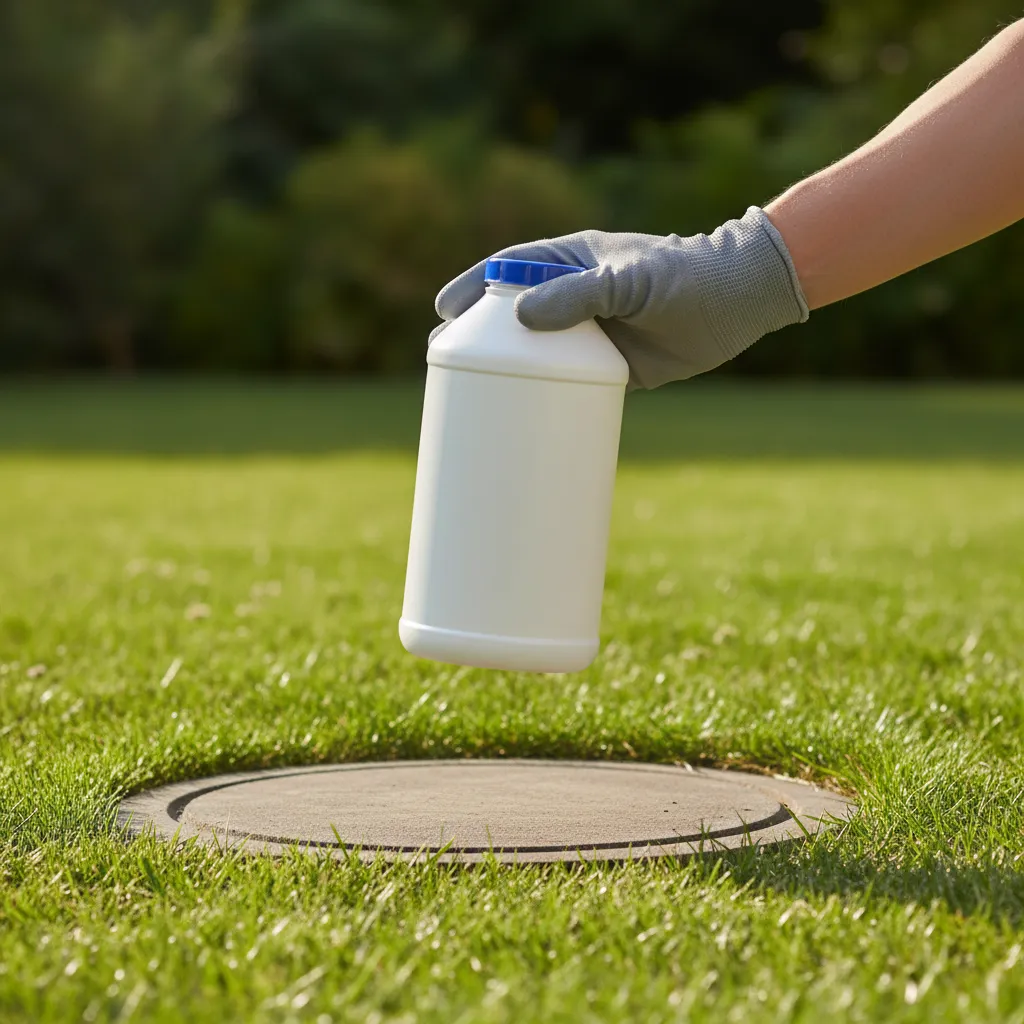
Our technician locates the septic tank, riser lids, distribution box, and drain field using property records and electronic locating tools. We open each access port and inspection port for visual evaluation.
Component inspection
Before any dye enters the system, we inspect the septic tank interior. We check the scum layer, sludge layer, clarified zone, baffles, inlet, outlet, and effluent filter. We measure levels and note any cracked, corroded, or dysfunctional system components.
Dye introduction
We flush fluorescein dye tablets through a designated fixture inside the dwelling. We run a measured volume of water to convey the dye through the sewer line, into the septic tank, and out toward the drain field.
Observation and monitoring
Our inspector walks the entire drain field, checking for visible, fluorescent dye surfacing on the ground, seeping into ditches, or appearing in observation tubes. We also monitor nearby wells, French drains, and waterways for detectable dye traces that match suspected failure points.
Documentation and reporting
We photograph all findings, record the perc rate observations, and compile a detailed report. The report states whether the system passed or failed and identifies every deficiency. You’ll receive your certificate or repair recommendation the same day.
Brands We Use
A septic dye test inspection requires reliable, professional-grade products and equipment. Action Septic Service uses only trusted brands recognized across the septic system service industry.






Every product we use is non-toxic and safe for your property, your family, and the surrounding groundwater supply.
Other Services
Septic dye test inspection
Septic system dye test
Fluorescein tracer dye septic
Dye test for septic system
Septic dye inspection service
Drain field dye trace test
Septic inspection dye test
Septic tank dye test near me
Effluent dye test residential
Professional septic dye test
Certified septic dye inspection
Septic failure detection dye
Real estate septic dye test
Home sale septic inspection
Septic compliance dye test certificate
FAQs About Septic Dye Test Inspection
What is a septic dye test inspection?
A septic dye test inspection is a diagnostic procedure where a technician flushes non-toxic fluorescein dye into your septic system and monitors the drain field, ground surface, and nearby water sources for visible dye. Detectable dye appearing where it shouldn’t confirms a failing or non-compliant system, making it clear when repairs are needed.
When should I schedule a septic dye test inspection?
Schedule one before selling or buying a property, when you notice soggy ground near the leach field, when sewage odors persist around the yard, or when your system is older than 20 years. Many health departments require a current dye test inspection for permit renewals and property transfers.
Why does a septic dye test inspection matter for real estate?
Lenders and municipal agencies often won’t approve a property sale without a certified septic inspection. A dye test provides traceable, documented proof that the system either passes or fails – protecting both buyer and seller from undisclosed contamination or costly post-closing repairs.
How long does a septic dye test inspection take?
Most inspections take two to four hours. The technician needs time to inspect tank components, introduce the dye, run water, and observe the drain field for fluorescent surfacing. Complex systems with pump chambers or mound systems may require additional monitoring time.
Can a septic dye test inspection detect all problems?
A dye test inspection detects surface breakouts, saturated drain fields, and effluent discharge failures. It works best when combined with a full tank inspection that evaluates baffles, sludge levels, and structural integrity. Some subsurface issues – like early-stage biomat buildup – may need a camera inspection or percolation test for complete diagnosis.
Does the dye used in a septic dye test inspection harm the environment?
No. Fluorescein dye is non-toxic, biodegradable, and safe for soil, groundwater, and potable water supplies. It’s the same tracer dye used by environmental agencies to monitor water flow patterns in streams and aquifers.
Ready to Schedule Your Septic Dye Test Inspection?
Call now for fast, professional service – available 24/7 across all 50 states.