
Septic Tank Replacement
Professional septic tank replacement and plumbing services for every type of residential and commercial property – we serve clients across your service area
Licensed & Insured
NOWRA certified technicians on every job
24/7 Emergency Service
Available whenever you need us most
Nationwide Coverage
Serving all 50 states across the USA
Transparent Pricing
Flat rates with no hidden fees
Get Immediate Service
Speak directly with our team – no automated systems
24 Hours – 7 Days a Week
5 Highlights on Septic Tank Replacement
Full system removal and installation
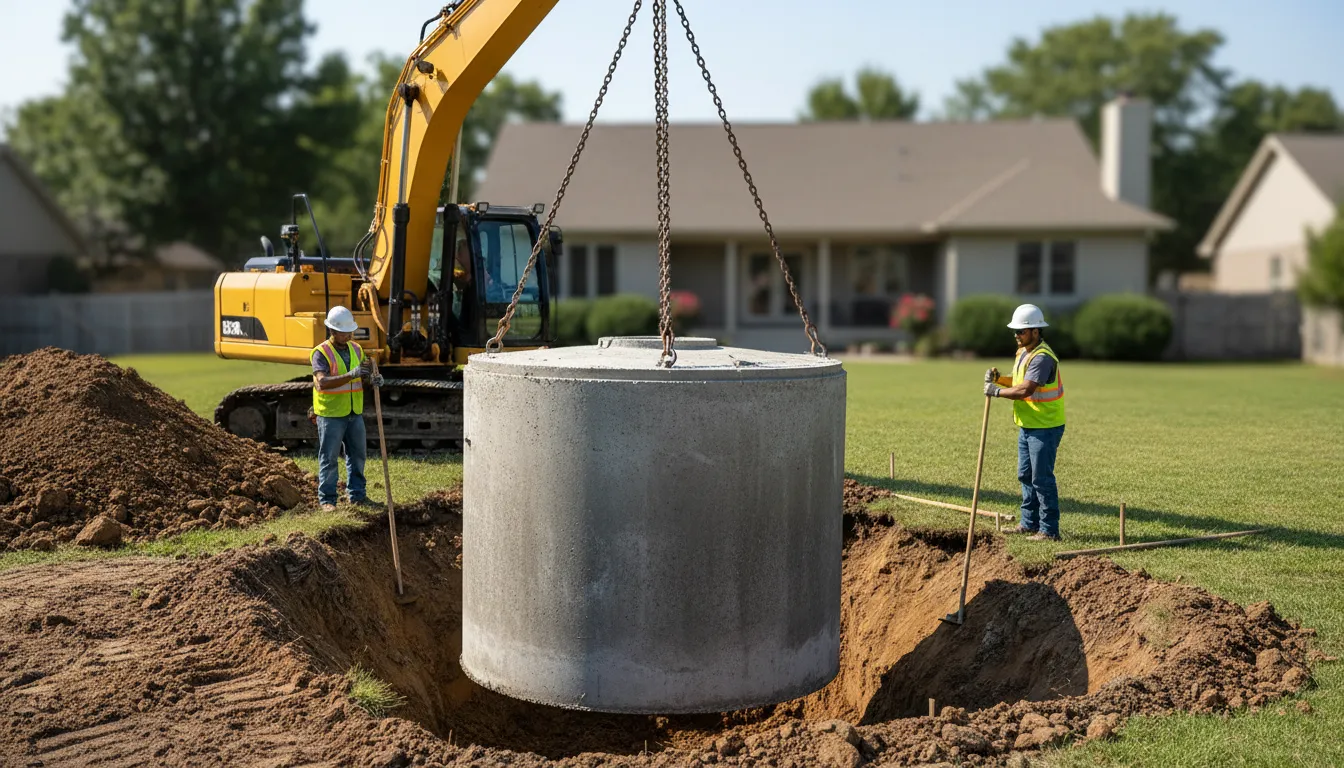
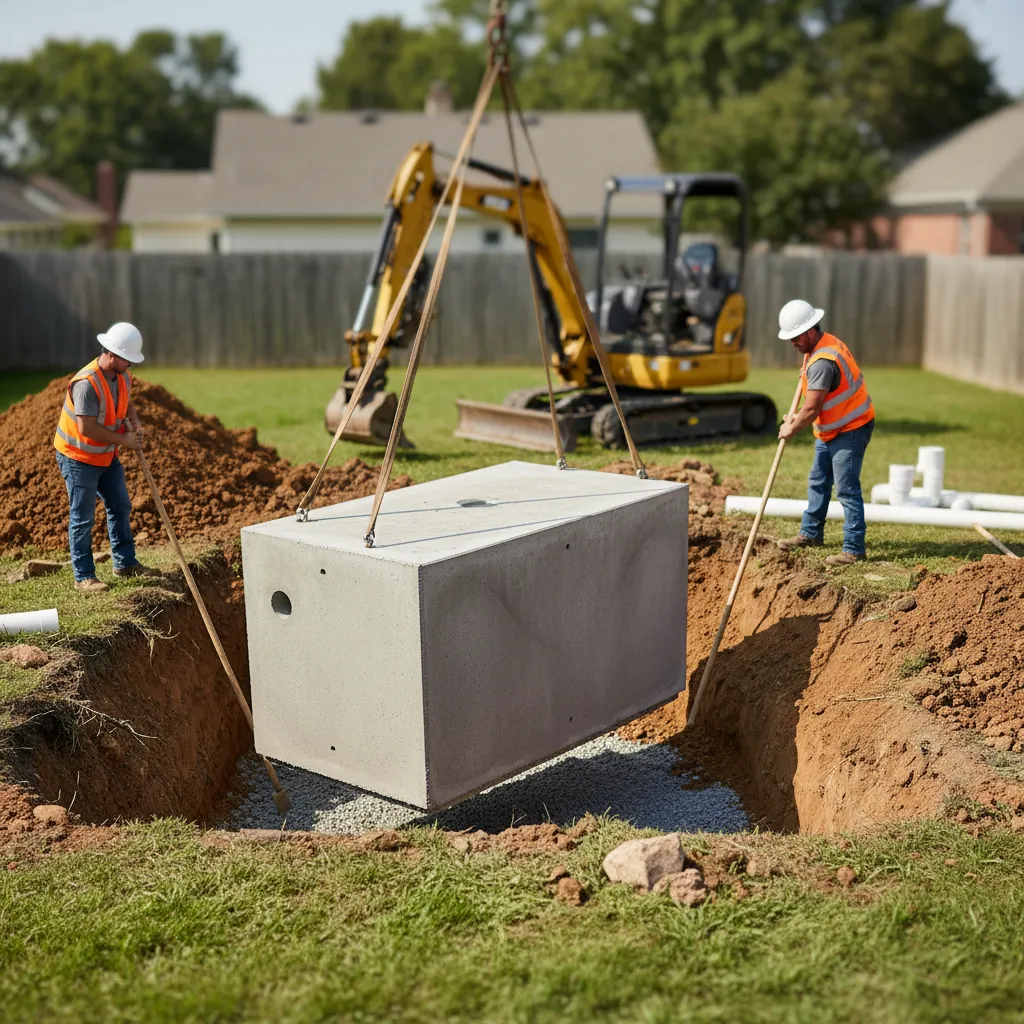
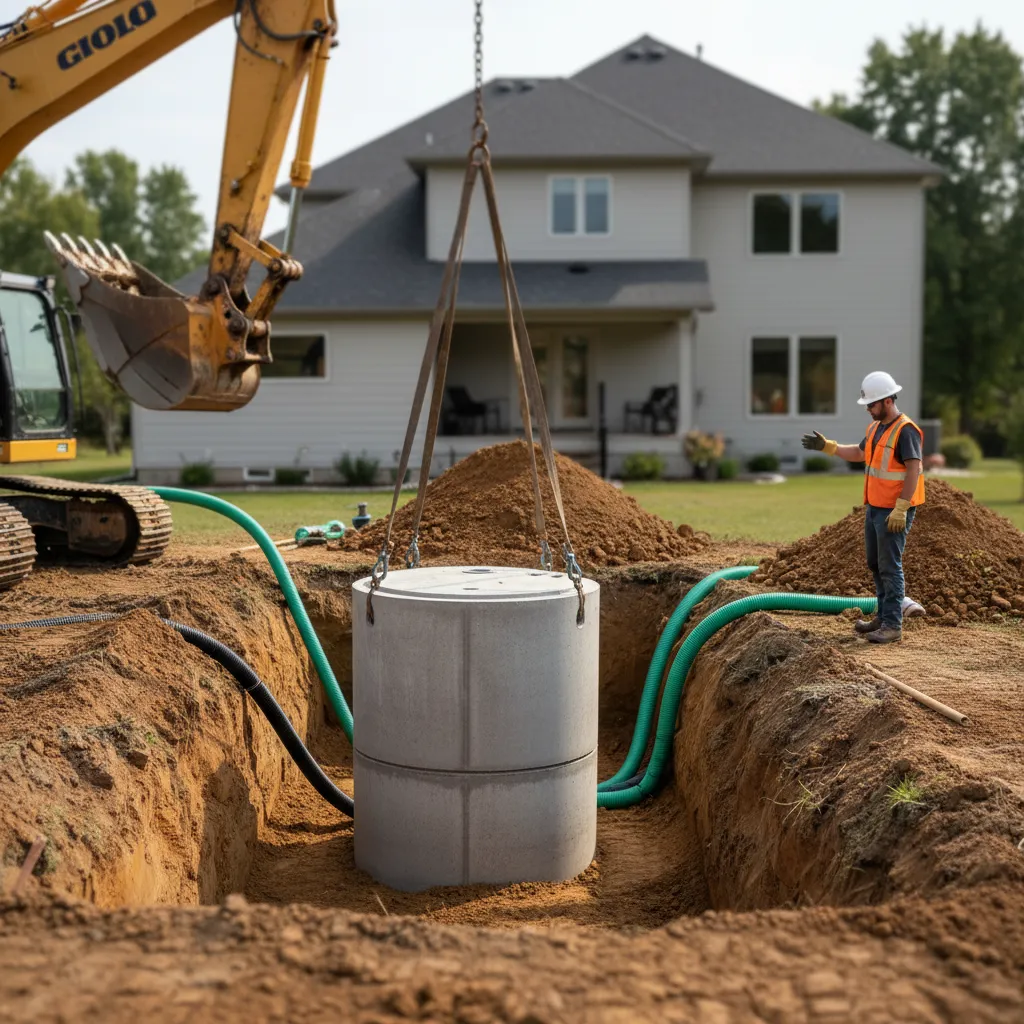
Our crew excavates the failed or corroded septic tank, disconnects inlet and outlet pipes, decommissions the entire old unit, and installs a new precast concrete, fiberglass, or polyethylene tank sized to your household or commercial demand.
Licensed and certified technicians
Every septic tank replacement we perform is handled by qualified installers who hold current certifications and carry full liability coverage, so your new system meets all local health department codes and helps you get the best rating for compliance.
Permit coordination included
We pull all required permits, request the perc test and site evaluation, fill out every form, and submit as-built drawings to your county health department on your behalf.
Drain field assessment at no extra charge
During every septic tank replacement, our team inspects the distribution box, lateral lines, and absorption trenches to find any issues and confirm your existing drain field is in good condition and can run effluent from the new tank.
Backfill and grade restoration
After we set the new tank and connect all piping, we backfill with approved aggregate and bedding material made for this purpose, compact the soil, and grade the surface to enhance drainage so your yard drains properly and looks clean.
Need Immediate Septic Service?
Our team is standing by to help – same week appointments available.
Why Choose Our Septic Tank Replacement
Septic tank replacement is a major investment in your property’s wastewater infrastructure and overall property value. Action Septic Service has completed hundreds of residential and commercial tank replacements, and we bring that field experience and value to every job site.
We don’t subcontract. Our own excavator operators, pipe fitters, and certified installers handle the work from the first shovel to the final inspection, making every step straightforward. That means one point of contact, one schedule, and one team accountable for the finished system to help you get the results you need.
Our pricing is straightforward and built to help you save. You’ll receive a written estimate that covers excavation, the new tank, all fittings and risers, backfill material, compaction, grading, permit fees, and the final health department inspection. No surprise line items show up after the backhoe arrives, so you avoid unexpected costs and enjoy real savings.
We stock tanks from trusted manufacturers in concrete, fiberglass, and polyethylene so we can match the right material to your soil conditions, water table depth, well setbacks, and local code requirements. Every tank we install uses watertight risers and secure lids to keep your system accessible for easy future access.
Action Septic Service also guarantees our workmanship. If any connection, seal, or fitting we installed fails within the warranty period, we’ll return and repair it at no cost – no repair costs to you. Your new septic tank replacement is backed by a company that stands behind its work, and our customers thank us for that commitment.
States Served Nationwide
Emergency Availability
Licensed & Insured
Hidden Fees – Ever
Signs You Need Septic Tank Replacement
Septic tank replacement becomes necessary when repairs can no longer restore a functional, compliant system. Learn to recognize these five warning signs of system failure that indicate your tank has reached the end of its service life.
Persistent sewage odors near the tank or inside your home:
A cracked or corroded tank allows odorous gases to seep through the soil and into your living space. If pumping and minor repairs haven’t resolved the smell, the tank walls or dividing wall have likely failed beyond repair.
Standing water or saturated soil over the tank area:
When a concrete tank deteriorates, wastewater leaks through fractures in the walls and floor can cause soggy ground, unusually green grass, or pooling effluent directly above the buried tank. This contaminated groundwater poses a hazard that can affect wells and nearby surface water.
Repeated backups after recent pumping:
A functional tank should operate for years between pump-outs. If your drains back up within weeks of being pumped out, requiring frequent service call visits, the baffles may have collapsed, the inlet or outlet pipe connections may have separated, or the tank itself may have shifted in the soil. These structural failures call for full septic tank replacement rather than patchwork fixes.
Health department notice of non-compliance:
Inspectors can flag a system as failed when they detect elevated coliform, nitrates, or phosphorus in nearby groundwater monitoring. A non-compliant tank that cannot pass reinspection typically requires complete replacement to meet current code.
Tank age exceeding 30 years:
Older concrete and steel tanks corrode from hydrogen sulfide gas produced during anaerobic decomposition. Even if routine maintenance has kept the system functioning, a tank past its expected lifespan carries a high risk of sudden structural failure. Proactive septic tank replacement prevents emergency situations and costly property damage by reducing the chance of catastrophic breakdown.
Licensed & Bonded
Full compliance in all 50 states
Detailed Reports
Complete documentation every visit
Flat Rate Pricing
No hidden fees or surprises
Fast Scheduling
Same week appointments available
Our Septic Tank Replacement Process
Septic tank replacement is a multi-step project that we complete in a structured sequence to protect your property and meet all regulatory requirements.
Site evaluation and diagnosis
We locate the existing tank, assess soil conditions, measure setbacks from wells and property lines, and determine the water table depth and percolation rate. If your county requires a new perc test, we schedule and conduct it during this phase.
Permitting
We prepare the permit application, attach the site plan and proposed system specifications, and submit everything to the local health department. Work begins only after we receive written approval.
Pump and decommission the old tank
Our vacuum truck pumps all sludge, scum, and remaining effluent from the existing tank. We then disconnect the inlet and outlet pipes and either crush the old tank in place or extract it, depending on material and site access.
Excavation and tank installation
Our backhoe operator excavates the pit to the engineered depth, sets a compacted bedding layer, and lowers the new tank into position. We level the tank, connect all inlet and outlet piping, install risers and access ports, and verify watertight seals at every joint.
Backfill, compaction, and final inspection
We backfill around the tank with approved material, compact in lifts to prevent settling, and grade the surface. The health department inspector then reviews the installation, and we submit the as-built drawing to close the permit.
Brands We Use
Septic tank replacement quality depends on the materials going into the ground. Action Septic Service installs products from these trusted manufacturers:








Our technicians follow each manufacturer’s installation specifications to preserve that warranty coverage and deliver a safe, long-lasting septic tank replacement.
Other Services
Septic tank replacement
Replace septic tank
New septic tank installation cost
Septic tank replacement cost
Septic system replacement
How much to replace a septic tank
Residential septic tank replacement
Home septic tank replacement
Concrete septic tank replacement
Commercial septic tank replacement
Septic tank removal and replacement
Fiberglass septic tank installation
Septic tank replacement near me
Local septic tank replacement service
Septic tank replacement permit requirements
FAQs About Septic Tank Replacement
What is septic tank replacement?
Septic tank replacement is the complete removal or decommissioning of a failed, corroded, or non-compliant septic tank and the installation of a new tank in its place. The entire process includes excavation, plumbing and pipe disconnection, old tank disposal, new tank placement, connection of inlet and outlet piping, backfill, compaction, and a final health department inspection.
When should I replace my septic tank?
You should replace your septic tank when it shows structural failure such as cracked walls, collapsed baffles, or corroded fittings that can’t keep the system in good condition. Tanks older than 25 to 30 years, tanks flagged as non-compliant by an inspector, or damaged tanks causing repeated backups and groundwater contamination are all strong candidates for replacement.
How long does a septic tank replacement take?
Most residential septic tank replacements take two to five days from excavation to final inspection. Permitting can add one to four weeks depending on your county’s review timeline. Larger commercial systems or sites with high water tables, difficult access, or a specific type of soil condition may require additional time to get the job done right.
Can I replace my septic tank in the same location?
Yes, in most cases we install the new tank in the same excavation as the old one. If soil conditions have changed or current setback requirements have been updated, we may need to relocate the tank to a compliant position on your property.
Does a new septic tank require a new drain field?
Not always. During every septic tank replacement, we inspect the distribution box, lateral lines, and absorption trenches. If the existing drain field is functional and the soil isn’t saturated or clogged with biomat, we connect the new tank to your current leach field. A failed drain field requires separate replacement.
How much does septic tank replacement cost?
Costs vary based on tank size, material, soil conditions, permit fees, and site accessibility. A standard residential septic tank replacement typically ranges from $3,000 to $10,000 or more. We provide a detailed written estimate before any work begins so you know the full cost upfront and can avoid unexpected expenses.
Ready to Schedule Your Septic Tank Replacement?
Call now for fast, professional service – available 24/7 across all 50 states.