Sewage Overflow Containment
Professional sewage overflow containment solutions designed to stop raw wastewater from spreading across your property and into the surrounding environment.
Licensed & Insured
NOWRA certified technicians on every job
24/7 Emergency Service
Available whenever you need us most
Nationwide Coverage
Serving all 50 states across the USA
Transparent Pricing
Flat rates with no hidden fees
Get Immediate Service
Speak directly with our team – no automated systems
24 Hours – 7 Days a Week
5 Highlights on Sewage Overflow Containment
Rapid Emergency Response
Action Septic Service deploys vacuum trucks, containment berms, and spill kits within hours of your call. Our crews are ready to respond at any time. We contain overflowing sewage before blackwater reaches drain fields, storm drains, or neighboring properties.
Full Containment and Decontamination
Our crews don’t just stop the overflow. We provide complete containment and clean every affected surface. We suction standing sewage, remediate contaminated soil, and sanitize using commercial grade disinfection methods and UV treatment protocols.
Licensed Hazardous Waste Handling
Sewage overflow containment involves pathogenic material, coliform bacteria, and noxious waste. Our certified technicians hold current certifications for handling hazardous and unsanitary wastewater in residential, municipal, and industrial settings.
Root Cause Identification
We inspect sewer lines with sewer cameras used to view underground conditions, check backflow preventers, and examine septic tanks, distribution boxes, and lift stations to find exactly why the overflow occurred. Containment without diagnosis just delays the next spill.
Regulatory Compliance Documentation
Overflowing sewage triggers local health department reporting requirements. Action Septic Service provides detailed containment reports, soil percolation test results, and discharge documentation in order to meet compliance standards.
Need Immediate Septic Service?
Our team is standing by to help – same week appointments available.
Why Choose Our Sewage Overflow Containment
Sewage overflow containment is a race against contamination. Raw blackwater carries E. coli, pathogens, and fecal coliform that spread through soil, groundwater, and surface drainage within hours. You need a septic service company that leads the industry, arrives equipped, and acts fast to meet your needs.
Action Septic Service has contained sewage overflows across residential properties, commercial facilities, and municipal systems for over two decades of experience. Our fleet includes vacuum trucks, jetter units, and dedicated containment trailers stocked with a full range of booms, berms, absorbent materials, and spill kits. We don’t subcontract. Every technician on your property works for us directly.
Our containment crews are trained in wastewater hazard protocols developed using best practices. They wear full PPE, establish exclusion zones, and follow strict decontamination sequences. We suction the overflow, contain the spread, and then treat affected areas with professional grade sanitizing agents and chlorination systems.
What separates us from general plumbers is scope. We handle the entire overflow event from containment through remediation across all applications. That means pumping backed up septic tanks, clearing obstructed sewer lines, repairing failed check valves, and replacing cracked overflow pipes. We solve problems and coordinate with local health authorities when reporting is required.
Action Septic Service guarantees our containment work with a focus on long-term solutions. If the same overflow source fails within 90 days of our repair, we return at no charge. Trusted, qualified, and fully insured – we’re the high-quality professional sewage overflow containment team property owners call first.
States Served Nationwide
Emergency Availability
Licensed & Insured
Hidden Fees – Ever
Signs You Need Sewage Overflow Containment
Sewage overflow containment is necessary the moment untreated wastewater escapes its intended system. We offer professional overflow management for residential and commercial properties. Here are five signs that you’re dealing with an active or imminent overflow event.
Standing Sewage Around the Septic Tank or Cleanout:
Puddles of dark, malodorous water pooling near your septic tank lid, riser, or cleanout access port signal that the tank has exceeded capacity. The sewage has nowhere to go. It’s pushing up through every available opening. This standing blackwater contains raw fecal matter and pathogenic organisms that contaminate soil on contact if left too long.
Toilets and Drains Backing Up Simultaneously:
When every fixture in the building backs up at once, the sewer line or septic tank is obstructed or full. Sewage is reversing through drainpipes and into the structure. This backed up condition often precedes an exterior overflow at the tank, distribution box, or lowest access point in the system design.
Saturated or Spongy Ground Over the Drain Field:
A leach field that feels spongy underfoot and smells putrid has failed. Effluent is surfacing instead of percolating through the soil and sand filters. This saturated, contaminated ground poses a direct health hazard and often means the biomat has sealed off the absorption trenches entirely.
Sewage Discharge Into Ditches, Streams, or Storm Drains:
Visible wastewater flowing from your property into any waterway or municipal storm system is an environmental emergency. Untreated sewage in open water spreads coliform bacteria and toxic contaminants downstream. Containment must happen immediately to limit the discharge footprint. Learn more about our emergency response services.
Alarm Activation on Lift Station or Dosing Chamber:
A high water alarm on your lift station, dosing chamber, or holding tank means the system can’t convey sewage forward. The powered pump may have failed, the float switch may be stuck, or the outflow pipe may be clogged due to low flow conditions. Without intervention, the chamber will overflow within hours.
Licensed & Bonded
Full compliance in all 50 states
Detailed Reports
Complete documentation every visit
Flat Rate Pricing
No hidden fees or surprises
Fast Scheduling
Same week appointments available
Our Sewage Overflow Containment Process
Sewage overflow containment is a structured, multi phase operation requiring sound engineering practices. Action Septic Service follows the same sequence on every call to ensure nothing gets missed.
Emergency Assessment
Our crew arrives on-site and evaluates the overflow. We identify the source, measure the affected area, and determine whether sewage has reached any waterways, storm drains, or subsurface drainage. We document everything with photos and GPS coordinates.
Physical Containment
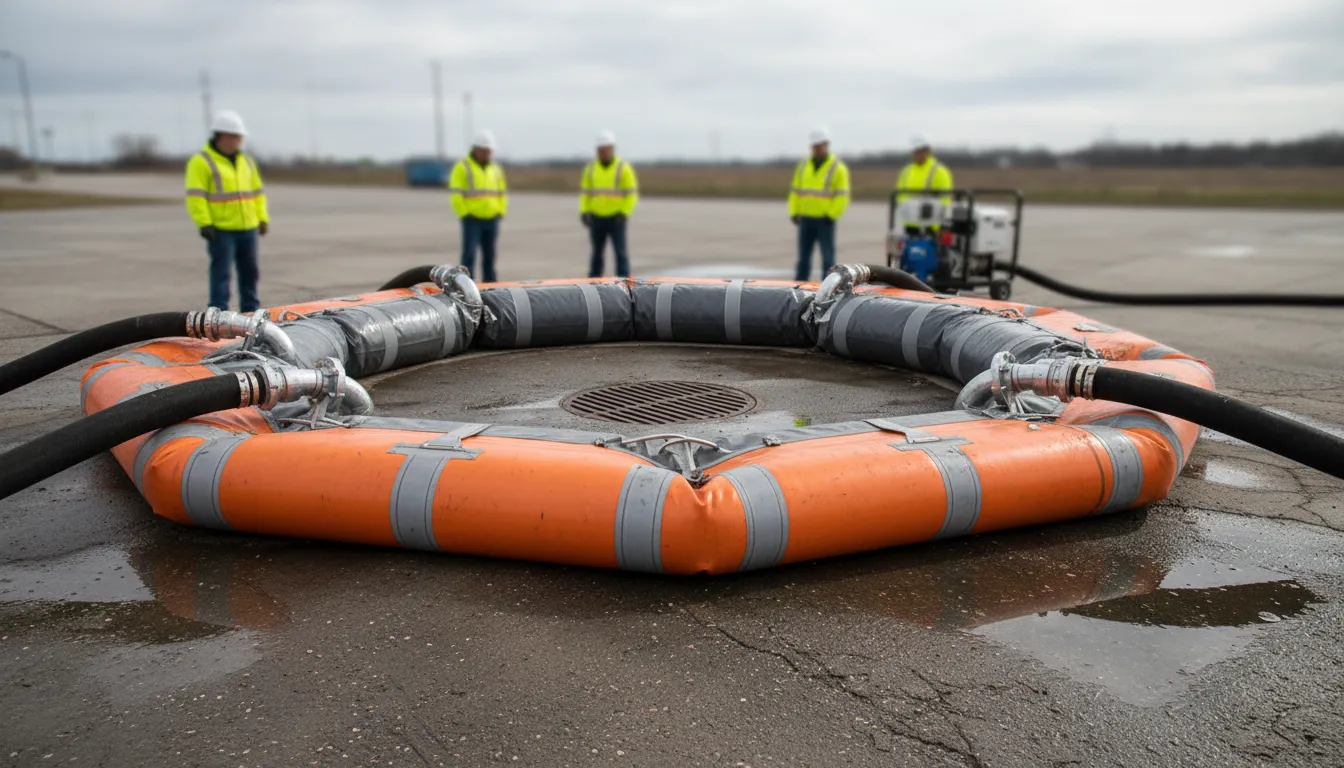
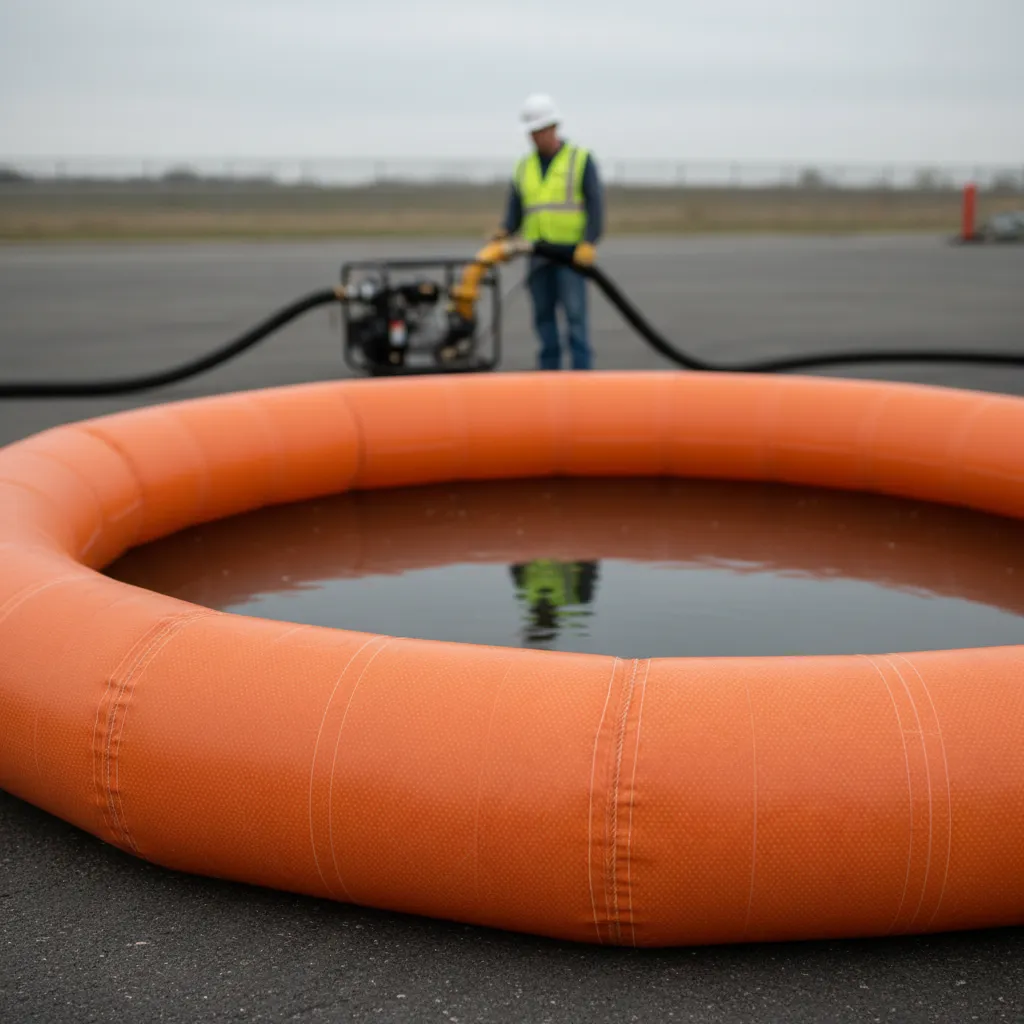
We deploy containment berms, booms, and absorbent barriers to stop the sewage from spreading further. On paved surfaces, we use portable weirs and diversion channels. On soil, we trench and berm to isolate the contaminated zone in even the most demanding conditions.
Sewage Removal
Our vacuum trucks suction all standing sewage, sludge, and contaminated water from the site. We pump overflowing septic tanks, holding tanks, and flooded lift stations with dewatering as needed. Every gallon of extracted septage is transport to a licensed disposal facility.
Source Repair
We fix what caused the overflow. That could mean unclogging a sewer line with a jetter or snake, replacing a failed ejector pump, repairing a cracked baffle, clearing a blocked effluent filter, or installing a new backflow preventer. We prime and maintain all equipment, then inspect the full system with a sewer camera to confirm the line is clear.
Decontamination and Verification
We sanitize all affected surfaces using chlorination and commercial disinfection agents. Contaminated soil is excavated or treated in place. Air quality is monitored to prevent transfer of airborne contaminants. We perform a final inspection, provide a written containment report, and schedule a follow up visit to verify the system is functioning properly.
Brands We Use
Sewage overflow containment demands reliable, professional grade equipment. Action Septic Service uses products from these trusted manufacturers on every containment job.



Every product we install or deploy meets current safety and environmental standards.
Other Services
Sewage overflow containment
Septic pumping service
Wastewater emergency response
Septic overflow cleanup
Septic tank overflow service
Blackwater contamination remediation
Sewage containment service
Raw sewage spill control
Fecal coliform decontamination
Emergency sewage overflow
Sewer backup containment
Effluent surface discharge repair
Residential sewage overflow
Septic system overflow repair
Drain field failure containment
FAQs About Sewage Overflow Containment
What is sewage overflow containment?
Sewage overflow containment is the process of stopping raw or partially treated wastewater from spreading beyond its point of escape. It involves deploying physical barriers like berms and booms, extracting standing sewage with vacuum trucks, and decontaminating all affected areas. The goal is to limit environmental damage and eliminate health hazards caused by exposed blackwater, pathogens, and fecal coliform across residential and commercial applications.
When should I call for sewage overflow containment?
Call immediately when you see sewage pooling on the ground surface, backing up into your building, or flowing toward any waterway or storm drain. Overflowing sewage is a health emergency. Waiting even a few hours allows contaminated water to seep into soil, infiltrate groundwater, and spread pathogenic bacteria across a much larger area.
Why does my septic system keep overflowing?
Recurring overflows typically point to a systemic failure. Common causes include a saturated or failed drain field, a clogged effluent filter, a broken baffle inside the septic tank, root intrusion in the sewer line, or a malfunctioning lift station pump. Action Septic Service inspects the entire system during every containment call to identify and repair the root cause.
How does the containment process prevent groundwater contamination?
We isolate the overflow zone with containment berms and absorbent barriers, then suction all standing sewage before it percolates into the soil. On permeable ground, we excavate contaminated topsoil and apply disinfection treatments. These steps prevent untreated wastewater from reaching the water table or leaching into nearby wells.
Can sewage overflow containment be done on commercial properties?
Yes. Action Septic Service performs sewage overflow containment on residential, commercial, municipal, and industrial properties. Larger sites may require multiple vacuum trucks, extended containment berms, and coordination with local regulatory agencies. We scale our response to match the size and severity of every overflow event.
Does insurance cover sewage overflow containment?
Many homeowner and commercial property insurance policies cover sewage backup and overflow damage. Action Septic Service provides detailed documentation including photos, containment reports, and itemized service records that support your insurance claim. We recommend contacting your carrier as soon as the overflow occurs.
Ready to Schedule Your Sewage Overflow Containment?
Call now for fast, professional service – available 24/7 across all 50 states.