Aerobic System Maintenance
Professional aerobic treatment unit care that keeps your treatment system compliant, efficient, and running right – ensuring effective sewage treatment while protecting surrounding soil and groundwater
Licensed & Insured
NOWRA certified technicians on every job
24/7 Emergency Service
Available whenever you need us most
Nationwide Coverage
Serving all 50 states across the USA
Transparent Pricing
Flat rates with no hidden fees
Get Immediate Service
Speak directly with our team – no automated systems
24 Hours – 7 Days a Week
5 Highlights on Aerobic System Maintenance
Certified technician inspections
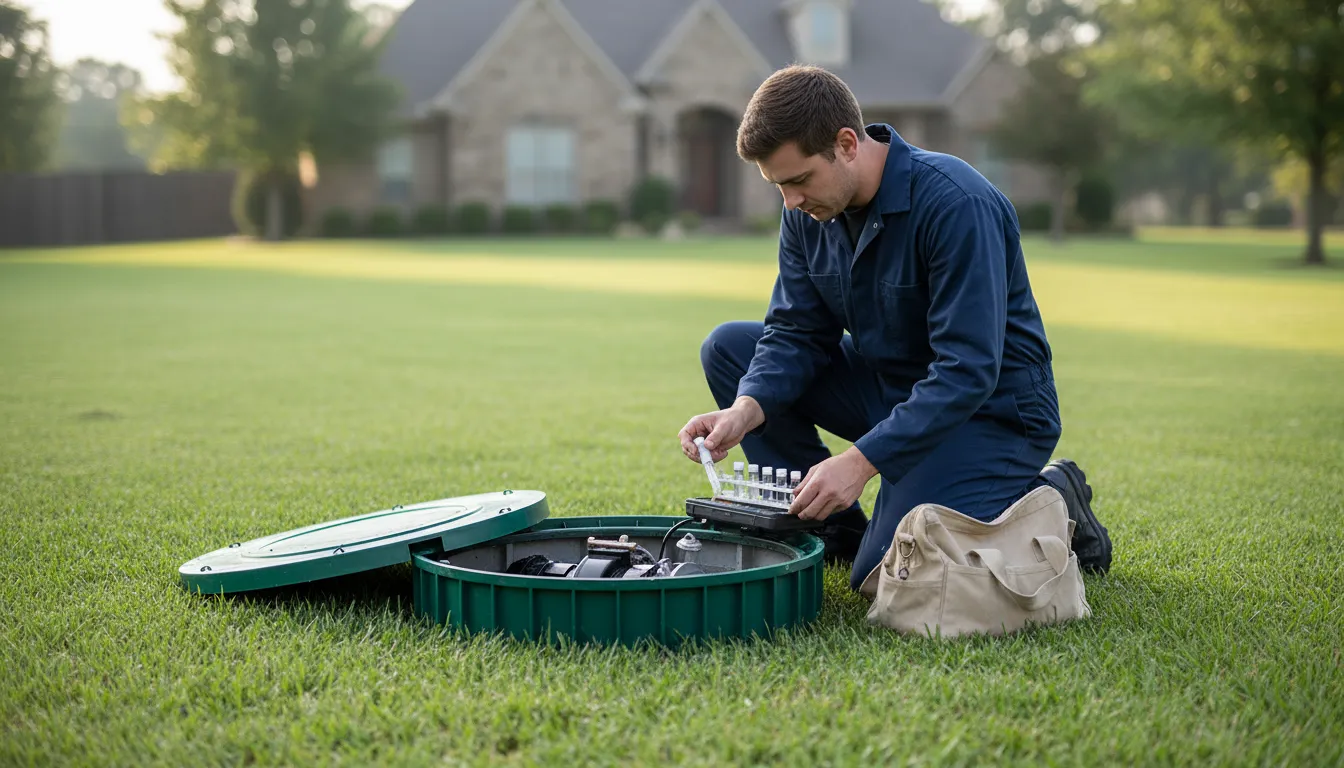
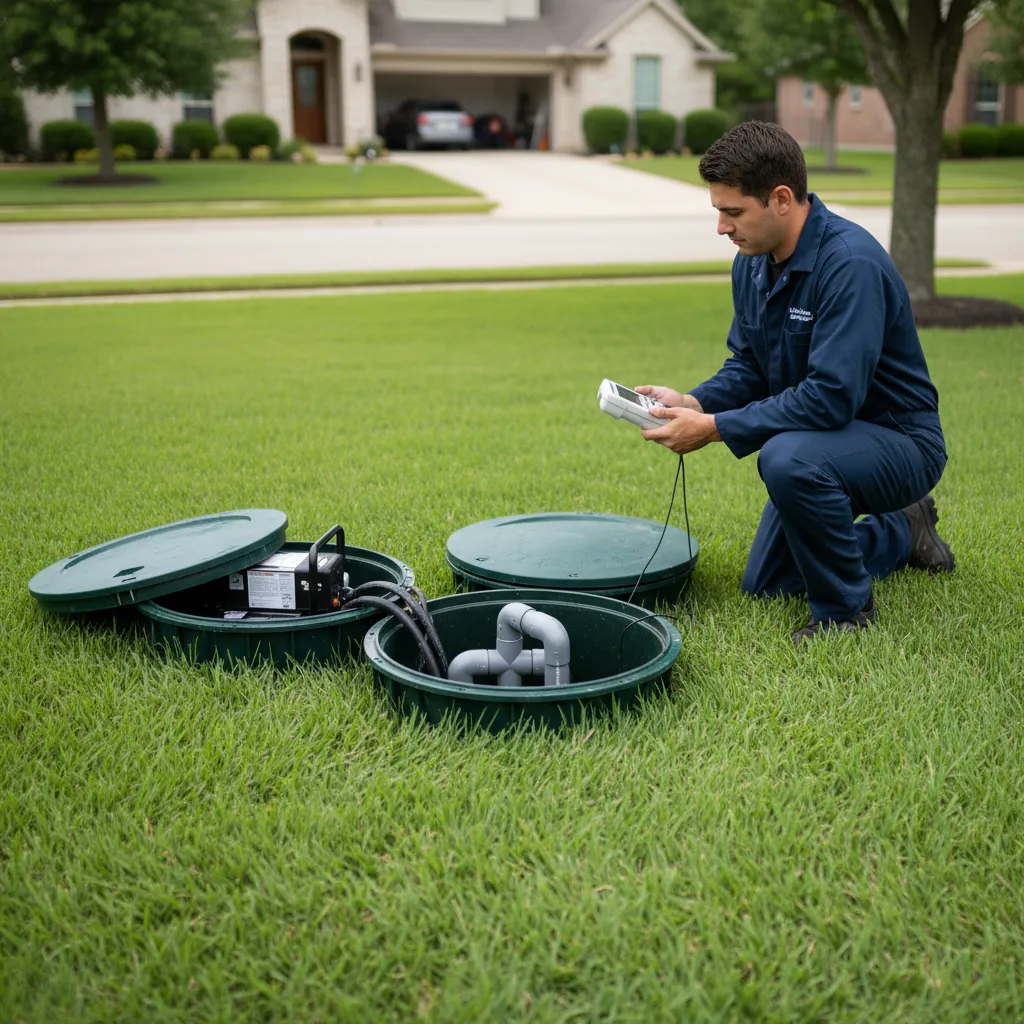
Our qualified technicians inspect every component of your aerobic treatment unit, from the aeration chamber and clarifier to the chlorinator and spray heads. We check float switches, control panels, and alarm systems during each visit to help ensure your system operates efficiently and issues are identified before they lead to costly problems.
Air compressor and blower motor service
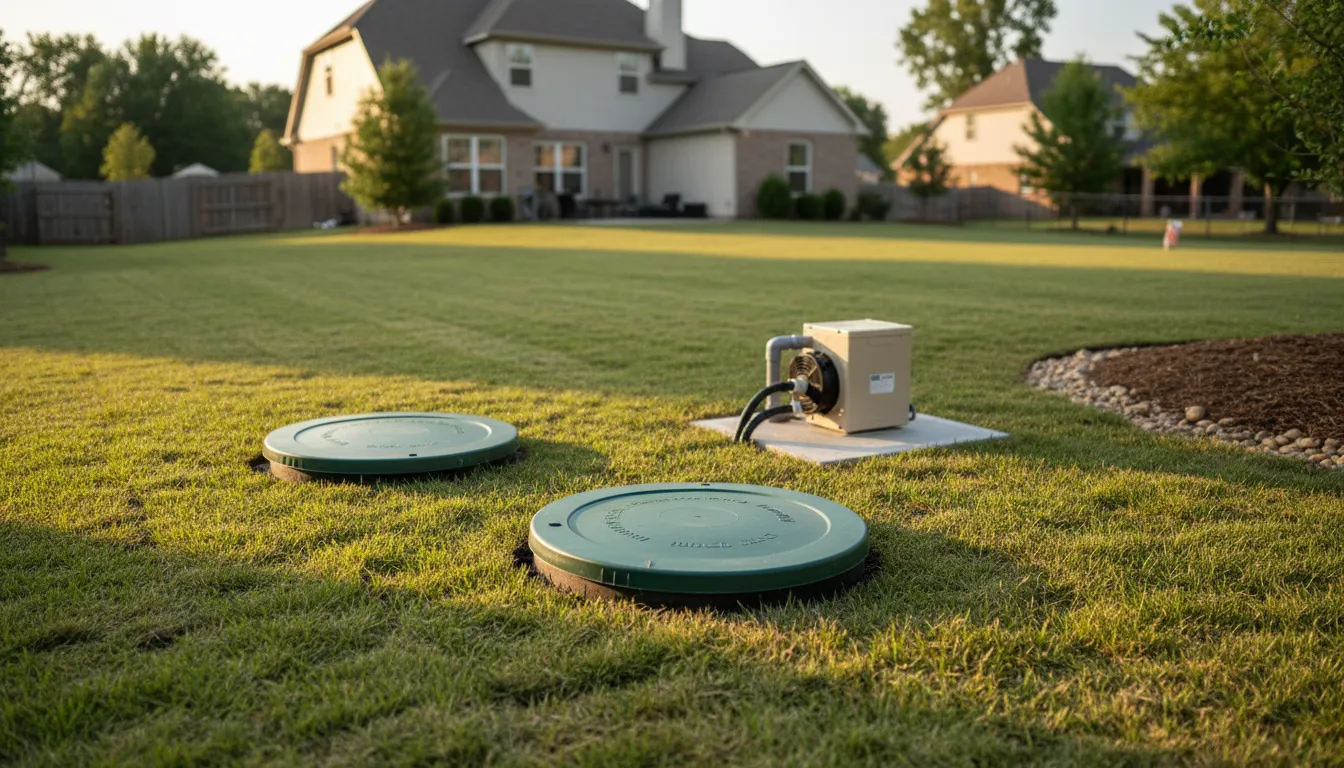
Aerobic system maintenance depends on a functioning air delivery system. We monitor, repair, and replace blower motors, diffusers, and air compressors to keep dissolved oxygen levels where bacteria need them. This ensures that solid waste can break down naturally and that treated water flows properly to drain fields or leach fields.
Chlorination and disinfection management
We replenish chlorine tablets, inspect the chlorinator housing, and verify that effluent disinfection meets local permit standards. Dechlorination components get the same attention when your system requires them. This effective approach helps destroy harmful pathogens before treated water reaches the surrounding soil.
Sludge and scum monitoring
Our team measures sludge depth in the settling chamber and scum accumulation in the tank. When levels reach the threshold, we schedule a pumpout with our vacuum truck before solids carry over into the drain field. Routine maintenance like this helps reduce the risk of clogs that can lead to sewage backup or overflow.
Compliance reporting and permit support
Many counties require maintenance contracts and quarterly reports for aerobic treatment units. We maintain detailed service logs, submit inspection results, and keep your system in full regulatory compliance. Our service provider documentation is designed to guide you through the following requirements and further support your permit status.
Need Immediate Septic Service?
Our team is standing by to help – same week appointments available.
Why Choose Our Aerobic System Maintenance
Aerobic system maintenance is a specialized service that demands training, proper equipment, and direct experience with decentralized wastewater treatment. Action Septic Service has built a reputation as a trusted service provider in this field. Our technicians hold current certifications and understand the mechanical, biological, and chemical processes that make aerobic treatment units function. Understanding how each type of treatment system is designed helps us deliver better, more effective results.
We service residential and commercial aerobic systems from every major manufacturer. That means we stock the right parts. We carry replacement blower motors, float switches, diffusers, submersible pumps, chlorine tablets, and effluent filters on our service vehicles. Most repairs happen on the first visit. This cost-effective approach helps avoid frequent return trips and keeps your plumbing infrastructure running smoothly.
Our maintenance contracts include scheduled quarterly inspections, which satisfy permit requirements in most jurisdictions. Each visit covers a full system evaluation – we inspect the aeration chamber, settling chamber, clarifier, pump chamber, distribution box, and all electrical components including the control panel and alarm system. Keeping your system properly maintained ensures efficient flow and helps avoid issues that can present themselves down the line.
We stand behind our work. Every aerobic system maintenance visit comes with a written report documenting what we inspected, what we found, and what we did. If a component we serviced fails within our warranty period, we come back and fix it at no charge. Action Septic Service treats your aerobic system like the investment it is. You get expert care, honest assessments, and professional service every time we pull into your driveway. Learn more about what routine maintenance can do to protect your property and reduce future repair costs.
States Served Nationwide
Emergency Availability
Licensed & Insured
Hidden Fees – Ever
Signs You Need Aerobic System Maintenance
Aerobic system maintenance is something many homeowners overlook until a problem surfaces. Recognizing the warning signs early can prevent expensive repairs and protect your property from wastewater contamination. Explore the following tips to help you identify when service is required.
Your alarm is sounding:
The alarm system on your aerobic treatment unit exists for a reason. It activates when something goes wrong – a failed air compressor, a tripped float switch, a malfunctioning pump, or high water levels in the tank. A sounding alarm can indicate issues that need professional attention right now. Take action immediately and avoid the urge to silence it and walk away.
Odorous conditions near the system:
A properly maintained aerobic treatment unit produces minimal odor. When you detect a strong septic smell near the tank, spray heads, or drain field, the aeration process has likely failed. Bacteria in the aeration chamber need oxygen to digest organic waste and break down solid waste. Without it, the system shifts to anaerobic conditions and generates hydrogen sulfide gas. This can even contaminate surrounding soil and groundwater if left unchecked.
Spray heads aren't distributing effluent:
Clogged or malfunctioning spray heads create pooling in your yard. The treated water has nowhere to go. This often points to a failed pump, a clogged effluent filter, or broken spray head assemblies that need replacement. Tree roots growing into distribution lines can also clog the system and reduce flow to leach fields.
Green or sludgy discharge from spray heads:
Healthy effluent from an aerobic system looks relatively clear. Dark, sludgy, or foul discharge means the settling chamber is not clarifying properly, the chlorinator is empty, or solids are carrying over from the aeration chamber. Grease and oil buildup can also indicate that your system is not processing waste efficiently.
It's been more than three months since your last inspection:
Most permits require quarterly aerobic system maintenance. Skipping a cycle lets small problems compound. Biomat buildup, sludge accumulation, and mechanical wear all accelerate without regular monitoring and service. Keeping up with routine maintenance is the most cost-effective way to ensure long-term system health.
Licensed & Bonded
Full compliance in all 50 states
Detailed Reports
Complete documentation every visit
Flat Rate Pricing
No hidden fees or surprises
Fast Scheduling
Same week appointments available
Our Aerobic System Maintenance Process
Aerobic system maintenance is a systematic, multi-point process. Our technicians follow the same thorough protocol on every visit. This guide walks you through what is done during a typical service call.
Visual site inspection
We walk the property and check for surface water pooling, odorous conditions, and any visible damage to risers, lids, or access ports. We note the condition of spray heads and lateral lines, and look for signs of leak or sewage surfacing near the drain fields.
Electrical and mechanical check
We open the control panel and test the air compressor or blower motor for proper operation. We verify float switch function, check the timer and splitter valve settings, and confirm the alarm system responds correctly. Consider this step essential for keeping your treatment system operating efficiently.
Tank and chamber evaluation
We remove lids and inspect the aeration chamber for adequate dissolved oxygen and active microbial activity. We measure sludge and scum levels in the settling chamber. We examine baffles and the effluent filter for blockages or corrosion. Grease accumulation and natural solids buildup are both assessed to ensure proper flow through the system.
Disinfection system service
We inspect the chlorinator, count remaining chlorine tablets, and add tablets as needed. We verify that treated water leaving the system meets disinfection standards and will not post risks to surrounding groundwater or soil.
Pump and distribution check
We test the submersible pump or dosing pump, inspect the pump chamber, and confirm the distribution box is routing effluent evenly to all lateral lines or spray heads. Lots of problems start here, so we take extra care to ensure everything is flowing correctly to leach fields and drain fields.
Documentation and reporting
We complete a detailed service report, note any repairs performed, flag upcoming maintenance needs, and file compliance paperwork with the appropriate regulatory authority. We share this documentation with you so you have a clear record of what was done and what to consider for future service.
Brands We Use
Aerobic system maintenance requires manufacturer-specific parts and components. Action Septic Service works with the top-rated brands in the aerobic treatment industry to keep your system running at peak performance.






We only install components that meet or exceed the original equipment specifications for your system.
Other Services
Aerobic system maintenance
Aerobic treatment unit service
Aeration chamber inspection
Aerobic unit repair
Blower motor replacement septic
Aerobic system service near me
Residential aerobic system care
Chlorinator tablet refill service
Aerobic septic system inspection
Aerobic wastewater treatment maintenance
Septic spray head repair
Aerobic system maintenance contract
Quarterly aerobic system checkup
Effluent filter cleaning service
FAQs About Aerobic System Maintenance
What is aerobic system maintenance?
Aerobic system maintenance is the routine inspection, servicing, and repair of aerobic treatment units – the mechanical septic systems that use oxygen and bacteria to treat wastewater. It covers the air compressor, aeration chamber, settling chamber, clarifier, chlorinator, pumps, float switches, spray heads, and all electrical components. This type of sewage treatment is designed to break down solid waste more efficiently than conventional systems.
When should I schedule aerobic system maintenance?
Most local permits require quarterly maintenance – every three months. Some jurisdictions allow semiannual visits for newer systems. You should also schedule a service call anytime your alarm activates, your spray heads stop working, or you notice odorous conditions near the tank. Frequent inspections help reduce the risk of issues that can lead to plumbing backups or sewage contamination.
Why does my aerobic system need a maintenance contract?
Many counties and health departments mandate an active maintenance contract as a condition of your operating permit. Without one, your system falls into non-compliant status. Fines can follow. A contract also catches mechanical failures and sludge buildup before they cause drain field damage or wastewater surfacing. This cost-effective approach helps you avoid expensive repairs and ensures your system operates efficiently over time.
How does aerobic system maintenance differ from conventional septic tank service?
Conventional septic systems are passive and gravity-fed. Aerobic treatment units are mechanical. They have blower motors, air compressors, pumps, timers, float switches, and chlorination systems. Each of these components needs regular monitoring, testing, and replacement on a schedule. The reduced oxygen environment in conventional tanks cannot break down waste as effectively, which is why aerobic systems require more frequent attention.
Can I perform aerobic system maintenance myself?
You can check chlorine tablet levels and visually inspect spray heads. The mechanical, electrical, and compliance-related work requires a licensed technician. Improper adjustments to the control panel, float switches, or aeration equipment can cause system failure and permit violations. Even small errors can destroy sensitive components or lead to further issues down the line.
Does aerobic system maintenance include pumping the tank?
Sludge measurement is part of every maintenance visit. When sludge and scum levels reach the recommended threshold, we schedule a pumpout using our vacuum truck. Most aerobic systems need pumping every two to four years depending on household size and usage patterns. Routine maintenance ensures your system can leach treated water into the soil properly and avoid clog conditions in the drain fields.
Ready to Schedule Your Aerobic System Maintenance?
Call now for fast, professional service – available 24/7 across all 50 states.