Drain Field Repair
Professional drain field repair services that restore your septic system’s full absorption and dispersal capacity – helping homeowners and property owners fix failing underground systems and prevent costly property damage
Licensed & Insured
NOWRA certified technicians on every job
24/7 Emergency Service
Available whenever you need us most
Nationwide Coverage
Serving all 50 states across the USA
Transparent Pricing
Flat rates with no hidden fees
Get Immediate Service
Speak directly with our team – no automated systems
24 Hours – 7 Days a Week
5 Highlights on Drain Field Repair
Expert Diagnosis of Failed Drain Fields
Our experienced septic contractors inspect lateral lines, distribution boxes, chambers, and absorption beds to pinpoint exactly where your leach field has failed. We use camera inspection and perc testing techniques to assess soil saturation and biomat buildup before recommending any corrective work. Our team can identify issues and guide you through the right repair options.
Complete Lateral Line Replacement
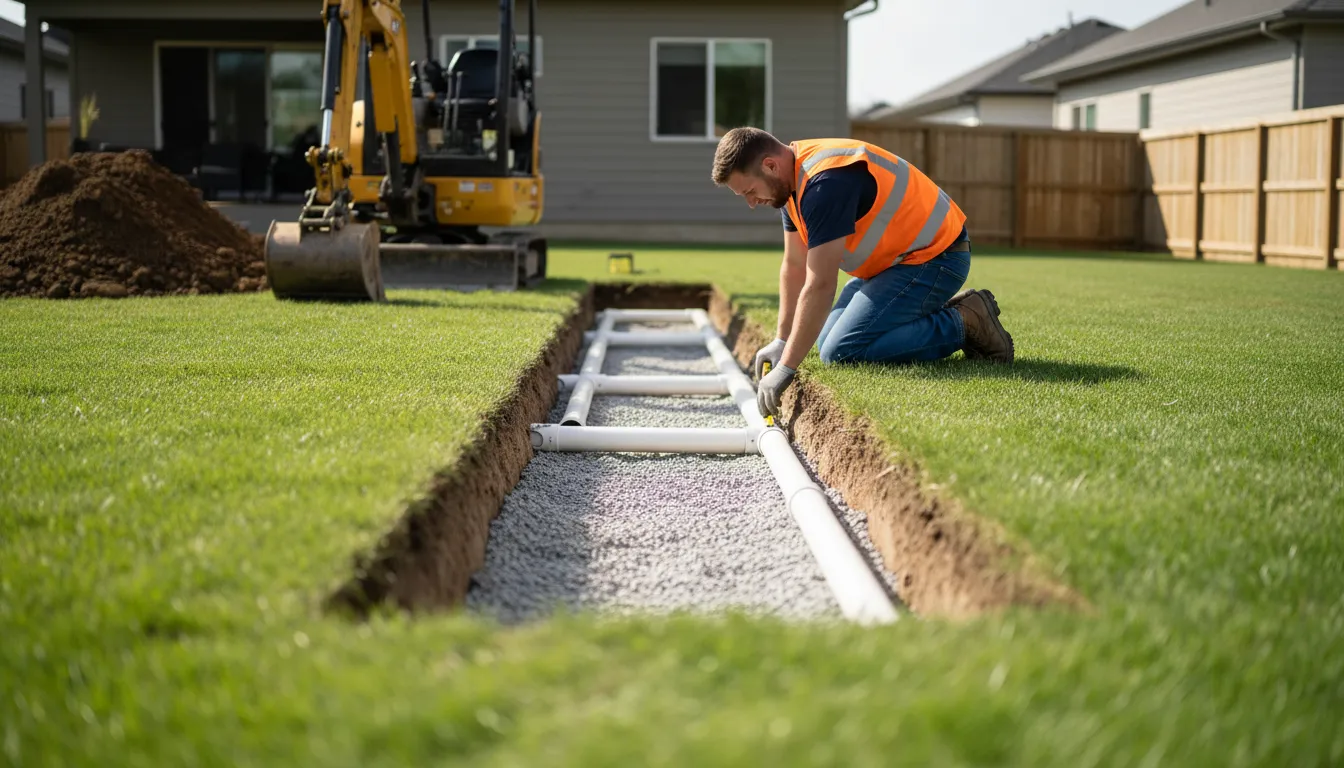
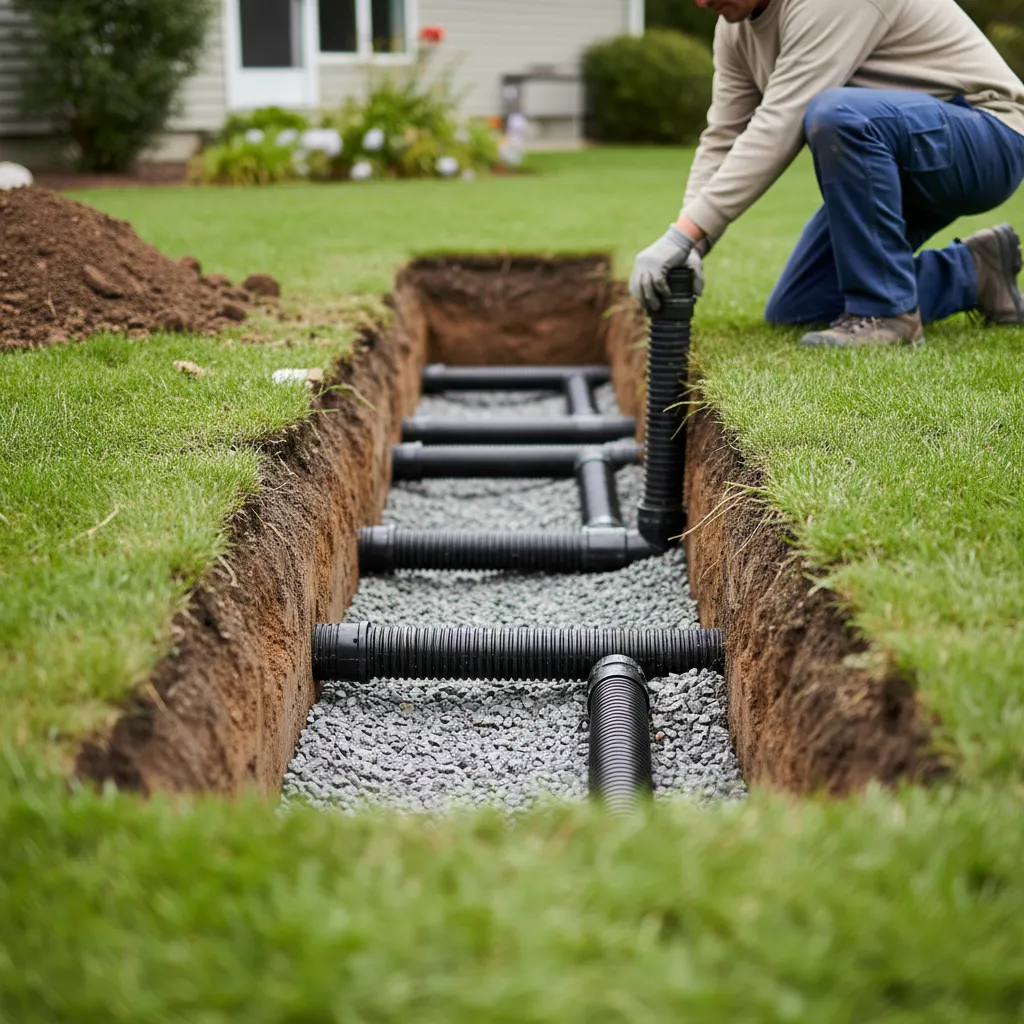
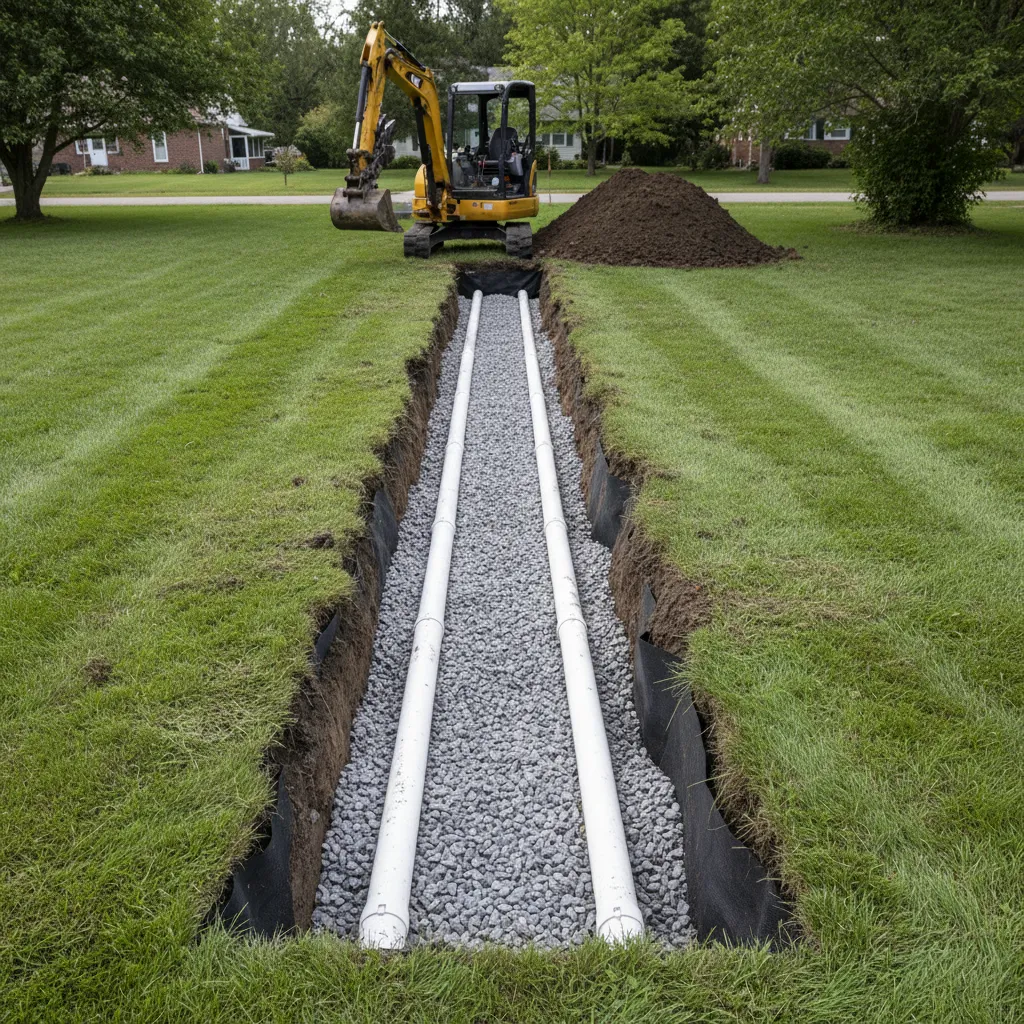
When perforated pipes collapse, corrode, or become clogged with sludge and biomat, we excavate and replace entire lateral line sections with new gravel filled trenches and geotextile fabric protection. Our pipe replacement projects address underground piping issues that cause recurring problems in your yard.
Distribution Box Repair and Rerouting
A malfunctioning D-box sends uneven effluent flow to your drain field, causing a malfunction that can lead to larger issues. We repair, level, or replace distribution boxes and reroute lines to restore balanced dispersal across all absorption trenches. Our specialized work addresses these common system problems that many homeowners experience.
Soil Remediation and Restoration
Compacted, saturated, or contaminated soil kills a drain field. We remediate failed soil zones through aeration, grading, and selective replacement with permeable sandy or loamy fill material. Our soil restoration and soil testing services ensure the work area is ready for long term performance, and we utilize tailored solutions for your specific needs.
Permitted and Code Compliant Work
Every drain field repair we perform meets local health department requirements. We pull permits, coordinate soil tests, and certify that your restored leach field passes final inspection. Call us to get a quote and learn how our local service provider team can help make your project run smoothly from start to end.
Need Immediate Septic Service?
Our team is standing by to help – same week appointments available.
Why Choose Our Drain Field Repair
Drain field repair is one of the most technically demanding repair services in the septic industry. A failed leach field doesn’t just mean soggy ground or foul odors in your yard. It means untreated effluent is contaminating groundwater, and your entire septic system can’t function. You need a qualified team that understands subsurface soil conditions, hydraulic loading rates, and proper trench construction. Whether you’re experiencing issues with leach fields, slow draining fixtures, or surfacing effluent, our experienced company is ready to assist.
Action Septic Service brings decades of hands on drain field repair experience to every job. Our crews diagnose the root cause of failure – whether that’s biomat accumulation, compacted clay soil, a crushed distribution box, or saturated gravel beds that no longer percolate. We don’t guess. We test, inspect, and confirm before we dig. Our understanding of underground system types helps us find the right solutions and address broken or damaged drain field components efficiently.
We operate our own backhoes, excavators, and trenchers. That means faster mobilization and lower costs for you. No waiting on subcontracted equipment. We offer reliable project planning and handle typical costs with clear, upfront pricing so there are no surprises.
Our drain field repair work carries a written guarantee. We stand behind every lateral line we install, every D-box we replace, and every gravel bed we construct. We also handle all permit applications and health department coordination so you don’t have to navigate that process alone. When you need system repair done right, rely on us to guide you and keep your project on track.
Residential and commercial property owners across our service area trust Action Septic Service for reliable, professional drain field restoration. We’re top rated, fully licensed, and we return calls the same day. Contact us to discuss your plumbing and septic issues, compare options, and see how we can help extend the life of your septic systems.
States Served Nationwide
Emergency Availability
Licensed & Insured
Hidden Fees – Ever
Signs You Need Drain Field Repair
Drain field failure rarely happens overnight. The system degrades gradually, and recognizing the warning signs early can save you thousands in repair costs. Here are five detailed indicators that your leach field needs professional attention. If you see any of these spots in your yard or experience recurring issues, seek help from a qualified service provider to review your situation.
Pooling Effluent on the Surface:
Standing water or wet, spongy ground directly above your lateral lines signals that the absorption bed can no longer percolate effluent into the surrounding soil. This happens when biomat – a thick, sludgy microbial layer – seals off the gravel and soil interface. The wastewater has nowhere to go, so it seeps upward. You might notice this pooling worsens after heavy household water use or rain events that further saturate the subsurface. Homeowners often look for professional help when they see effluent surfacing and causing damage to their land.
Sewage Odors Near the Drain Field:
A properly functioning leach field produces no detectable smell. Odorous conditions near your absorption trenches mean anaerobic decomposition is occurring at or near the surface. Effluent that should be filtering through several feet of permeable soil is instead sitting stagnant in clogged or failed lateral lines. This is a common issue that many homes experience, and it typically indicates that routine field maintenance was not done or that sewer lines are blocking flow.
Slow Drains and Toilet Backups Throughout the House:
When your drain field can’t accept effluent, the entire system backs up. The septic tank fills beyond capacity, the pump chamber or dosing chamber can’t disperse flow, and wastewater pushes back through your inlet pipe. Slow drains in multiple fixtures at once – not just one sink – point to a downstream drain field problem rather than a simple clog. If you’re experiencing slow draining throughout the house, this may indicate a clogged drain or a larger underground system issue that requires professional attention.
Unusually Green or Lush Grass Over Lateral Lines:
Grass that grows noticeably thicker and greener directly above your leach field trenches is feeding on nitrogen rich effluent that hasn’t been properly filtered. This organic nutrient loading means the soil and gravel bed beneath aren’t treating wastewater before it reaches the root zone. While some homeowners consider this a landscaping benefit, it actually indicates that your system is not working as intended and may require drain field repair to prevent further damage.
Septic Tank Alarm or High Water Alarm Activation:
If your system includes a pump chamber with a float switch and alarm, repeated alarm activation means effluent levels are rising because the drain field won’t accept flow. The pump runs but the field is saturated, blocked, or non functional. Keep in mind that this is a clear sign you need to call a professional. Don’t left this issue go unaddressed – the pressure on your system will only get worse over time.
Licensed & Bonded
Full compliance in all 50 states
Detailed Reports
Complete documentation every visit
Flat Rate Pricing
No hidden fees or surprises
Fast Scheduling
Same week appointments available
Our Drain Field Repair Process
Drain field repair is a structured, multi step process that starts with thorough evaluation and ends with a certified, fully functional leach field. Understanding the typical project workflow helps homeowners know what to expect and when the work will be done.
Site Inspection and Diagnosis
We inspect your septic tank, distribution box, and all accessible inspection ports. We check effluent levels, examine the scum layer and sludge layer in the tank, and probe the drain field area for saturation depth. Camera inspection of lateral lines reveals pipe condition – cracked, collapsed, or clogged with biomat and solids. This is a key part of our process to identify what needs to be addressed and ensure we understand the site conditions before planning the project.
Soil and Perc Testing
We perform soil testing to evaluate permeability. Sandy and loamy soils drain well. Clayey or compacted soils restrict flow. Perc test results determine whether we can repair the existing field or need to relocate and install a new drain absorption area. This helps us gauge the exact scope involved and recommend appropriate solutions sized for your property.
Permit Acquisition
We submit all required documentation to the local health department and secure the necessary permits before excavation begins. Our handling of permits and planning means you can stay focused on other things while we manage the administrative part of your project.
Excavation and Removal
Our crews use backhoes and trenchers to carefully excavate failed sections. We remove old gravel, damaged perforated pipe, deteriorated geotextile fabric, and contaminated soil. We dewater the trench area if groundwater intrusion is present. This work is handled by our specialized team using proven techniques to open the work area and access the underground piping that needs attention.
Reconstruction and Backfill
We grade the trench bottom to proper slope, lay fresh gravel beds, install new perforated pipe and header pipe connections, wrap with geotextile fabric, and backfill with clean permeable fill. We reconnect to the distribution box and verify even effluent dispersal across all lateral lines. Our chamber installation and tank installation work is made to match your specific needs and ensure the system stays functioning for the long term.
Final Inspection and Certification
The health department inspects the completed work. We certify that your repaired drain field meets all code requirements and provide you with full documentation. After we are done, you can expect clear details in writing and a cost snapshot for your records. This is how we ensure every project connects form to function and is ready to respond to moderate or larger capacity demands.
Brands We Use
Drain field repair demands reliable, proven materials that hold up in subsurface conditions for decades. Action Septic Service installs and specifies products from these trusted manufacturers:







Your safety and your groundwater protection are built into every component we select.
Other Services
Drain field repair
Leach field repair
Septic absorption bed restoration
Drain field replacement
Leach field replacement
Lateral line installation
Failed drain field
Malfunctioning leach field
Saturated septic field remediation
Drain field inspection
Leach field diagnosis
Perc test and soil evaluation
Drain field contractor
Septic drain field service
Distribution box repair and grading
FAQs About Drain Field Repair
What is drain field repair?
Drain field repair is the process of diagnosing and correcting failures in your septic system’s leach field – the subsurface network of perforated pipes, gravel beds, and absorption trenches that filter and disperse effluent into the soil. Repairs can range from replacing a single crushed lateral line to full excavation and reconstruction of the entire absorption area. Whether you have a damaged drain field or an aging underground system, our projects are tailored to address the issue and eliminate problems blocking proper drainage.
When should I schedule a drain field inspection?
Schedule an inspection when you notice pooling water over the leach field, persistent sewage odors, slow drains throughout your home, or repeated septic alarm activations. Annual septic tank pumping appointments are also a good time to have your contractor check drain field performance and effluent levels in the distribution box. Many homeowners find that routine inspections help maintain their system and prevent costly repairs down the road. If you depend on your septic system for your home’s sewer needs, don’t fall behind on maintenance.
Why do drain fields fail?
Drain fields fail for several reasons. Biomat buildup clogs the soil and gravel interface over time. Compacted soil from vehicles or structures parked over the field reduces permeability. Hydraulic overloading from excessive water use saturates the absorption bed. Tree roots infiltrate and block perforated pipes. A failed or unlevel distribution box sends all effluent to one trench instead of dispersing it evenly. Reading about these common causes can help you understand the average issues that lead to property damage and indicate when you need to consider professional help.
How long does drain field repair take?
Most residential drain field repairs take two to five days depending on the scope. Simple lateral line replacements can finish in a day or two. Full field reconstruction with soil remediation, new gravel beds, and D-box replacement requires more excavation time and a final health department inspection. We recommend getting a quote early so you can review the typical project timeline and make sure the starting date works for your schedule.
Can a drain field be repaired without full replacement?
Yes. In some cases, targeted repairs solve the problem. Jetting clogged lateral lines, replacing a cracked distribution box, aerating compacted soil, or rerouting effluent flow to underused trenches can restore function without tearing out the entire field. Our diagnostic process determines the least invasive, most cost effective repair approach. We work to find solutions that fit your budget, and we will never exceed what is actually needed. When you call to discuss your situation, our team can help you understand the options and page through different scenarios.
Does homeowner's insurance cover drain field repair?
Most standard homeowner’s policies do not cover septic system or drain field repairs because they classify these as maintenance related failures. Check your specific policy. Action Septic Service provides detailed written estimates that you can submit to your insurer if you believe coverage applies. We can respond to questions about what was done and assist with any documentation they require. Whether or not insurance covers your municipal sewer or septic repair costs, working with an experienced company helps ensure the job is done right.
Ready to Schedule Your Drain Field Repair?
Call now for fast, professional service – available 24/7 across all 50 states.