Septic Pump Repair
Professional septic pump repair that keeps your plumbing system running efficiently and your property protectedProfessional septic tank pumping keeps your system running clean, efficient, and code compliant. Our expert team delivers high quality service with complete inspections included.
Licensed & Insured
NOWRA certified technicians on every job
24/7 Emergency Service
Available whenever you need us most
Nationwide Coverage
Serving all 50 states across the USA
Transparent Pricing
Flat rates with no hidden fees
Get Immediate Service
Speak directly with our team – no automated systems
24 Hours – 7 Days a Week
5 Highlights on Septic Pump Repair
Expert Diagnosis of Pump Failures
Our highly trained and experienced team of certified technicians troubleshoot effluent pumps, submersible pumps, grinder pumps, and dosing pumps using camera inspection and electrical testing to pinpoint the exact malfunction before any work begins.
Same Day Emergency Response
A malfunctioning pump can cause sewage backup and flooding within hours. Action Septic Service provides emergency plumbing support, and we respond quick – dispatching a pump truck and qualified technician to your property the same day you call, preventing overflow and property damage.
Complete Component Replacement
We repair and replace impellers, float switches, check valves, seals, gaskets, O-rings, couplings, pipe fittings, and control panels. We handle any issues and resolve them right away. Every part we install meets or exceeds the original equipment specification.
Residential and commercial service
From a single family home with residential plumbing needs and a conventional septic tank to a commercial facility running a pressurized mound system, our services cover pump repair and tank installation across every system type and configuration.
Licensed, Insured, and Code Compliant
Action Septic Service holds all required permits and maintains full compliance with local health department regulations to ensure high quality service. Every septic pump repair we perform passes inspection the first time.
Need Immediate Septic Service?
Our team is standing by to help – same week appointments available.
Why Choose Our Septic Pump Repair
Septic pump repair is a specialized trade that demands hands on experience with submersible motors, electrical control panels, and wastewater system hydraulics. Our experienced plumbers bring the expertise you can trust to every plumbing repair job. Action Septic Service has built a reliable reputation by doing this work correctly, safely, and affordably for years.
Our technicians are certified to work on every major pump type found in residential and commercial septic systems. That includes effluent pumps in pump chambers, grinder pumps handling blackwater solids, dosing pumps feeding pressurized drain fields, sewer line connections, and sump pumps managing groundwater intrusion. We help you determine the problem with common plumbing and septic issues. We don’t guess. We diagnose the problem, explain it in plain language, and give you a written estimate with a free consultation before we start.
We stock common replacement parts on our service vehicles, equipped to provide the best solutions on site. Float switches, impellers, seals, check valves, and control panel components ride with us to every call. That means most septic pump repairs get completed in a single visit, so you deal with one appointment instead of waiting days for a part to ship.
Action Septic Service also stands behind every repair with a written warranty. If the pump we repaired or the component we replaced fails within the warranty period, we come back and fix it at no additional charge. Our pricing is transparent. No hidden fees, no surprise line items. You receive and pay what we quote. When you hire us, you can count on the job done right with no worry, because you deserve to have your own septic issues handled by professionals. That’s the standard we hold ourselves to, and it’s why homeowners and property managers across the area call us first when a septic pump stops working.
States Served Nationwide
Emergency Availability
Licensed & Insured
Hidden Fees – Ever
Signs You Need Septic Pump Repair
Septic pump repair becomes urgent when your system starts showing specific warning signs. Catching these early can save you thousands in drain field damage and property remediation. If you notice even one of these signs, contact us to schedule service right away.
Pump Alarm Sounding Continuously:
Your alarm system exists to alert you when wastewater in the pump chamber reaches a critical level. If the alarm panel is flashing or beeping, the effluent pump has likely stopped cycling. A failed float switch, a tripped breaker, or a burned out motor could be the cause. Simply put, don’t silence the alarm and let it go unaddressed. Talk to a septic contractor immediately.
Slow Drains Throughout the House:
One slow drain or sink usually means a clogged drainpipe. Every drain in the house running slow at the same time points to a backed up pump chamber. The pump isn’t moving effluent and waste out to the drain field, and wastewater has nowhere to go down the plumbing lines. This situation escalates fast.
Sewage Odor Near the Tank or Pump Chamber:
An odorous, sulfurous smell around your access lid or riser indicates stagnant sewage sitting too long in the pump chamber. A working pump cycles regularly and keeps levels manageable through regular septic pumping and cleaning. When it fails, septage accumulates, gases build, and the smell becomes unmistakable. A clean system should never produce strong odors.
Wet or Saturated Ground Over the Drain Field:
A malfunctioning dosing pump can either stop delivering effluent or dump it unevenly through the distribution box and laterals. Saturated soil above your leach field, especially when it hasn’t rained, signals that the pump isn’t regulating flow properly and may be leaking or overflowing. The perforated pipes and gravel bed beneath are designed to absorb what the pump meters out at proper water pressure levels.
Circuit Breaker Tripping Repeatedly:
Septic pumps draw significant current. A corroded motor winding, a seized impeller, or a damaged electrical conduit can cause the breaker to trip. If you reset it and it trips again within minutes, the pump or its wiring has a fault that needs professional repair before it creates a fire hazard or complete system failure. Don’t try to tackle this yourself – make sure you call a professional who is ready to handle electrical issues safely.
Licensed & Bonded
Full compliance in all 50 states
Detailed Reports
Complete documentation every visit
Flat Rate Pricing
No hidden fees or surprises
Fast Scheduling
Same week appointments available
Our Septic Pump Repair Process
Septic pump repair at Action Septic Service follows a structured, repeatable process that eliminates guesswork and gets your system back online fast. We offer a clear approach to getting the job done efficiently.
Initial Assessment and Access
We arrive on site right away, locate your septic tank and pump chamber using risers or access lids, and evaluate the situation above ground first. We check the control panel for error codes, test the float switch manually, and verify power supply at the junction box.
Pump Chamber Inspection
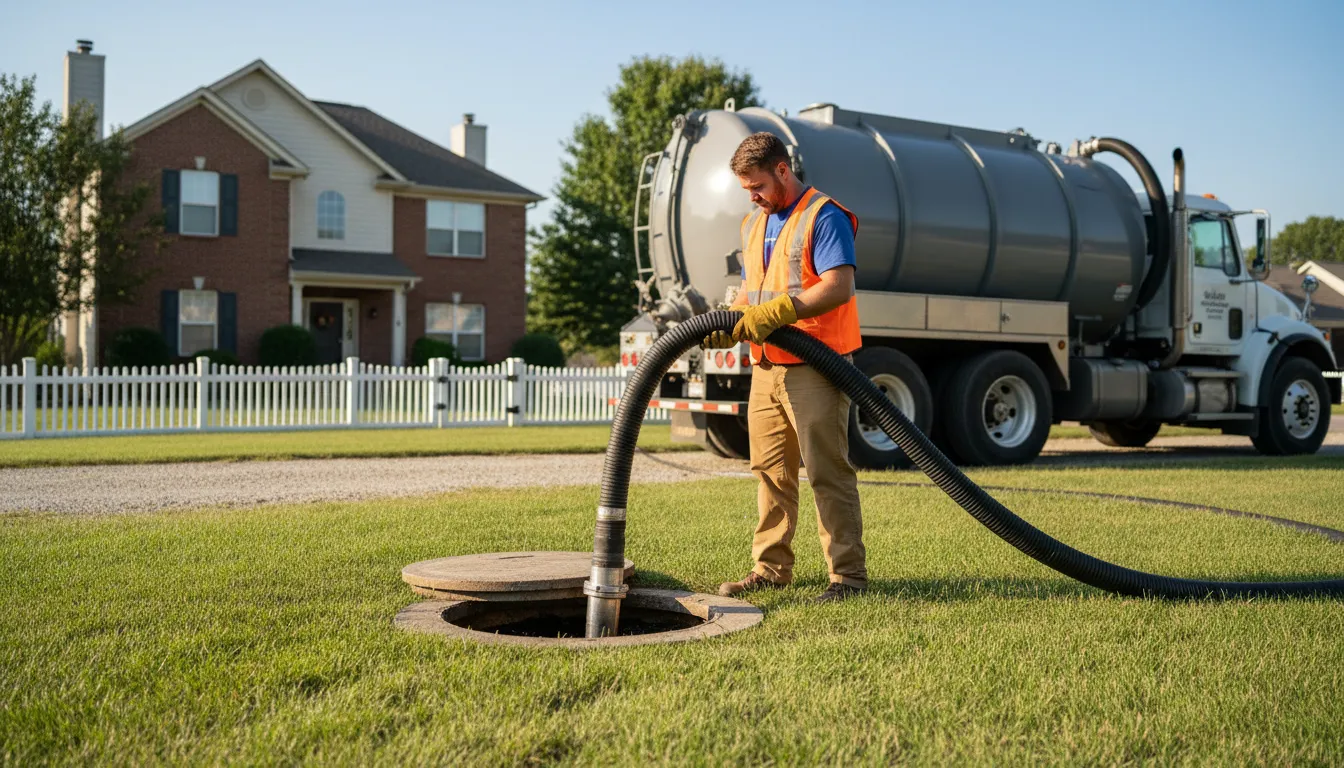
We open the pump chamber and assess the wastewater level, scum layer, and sludge layer to view the contents inside. If levels are dangerously high, we use a vacuum truck to pump out and lower them before pulling the pump. A camera inspection may follow to check the discharge line and check valve.
Pump Extraction and Diagnosis
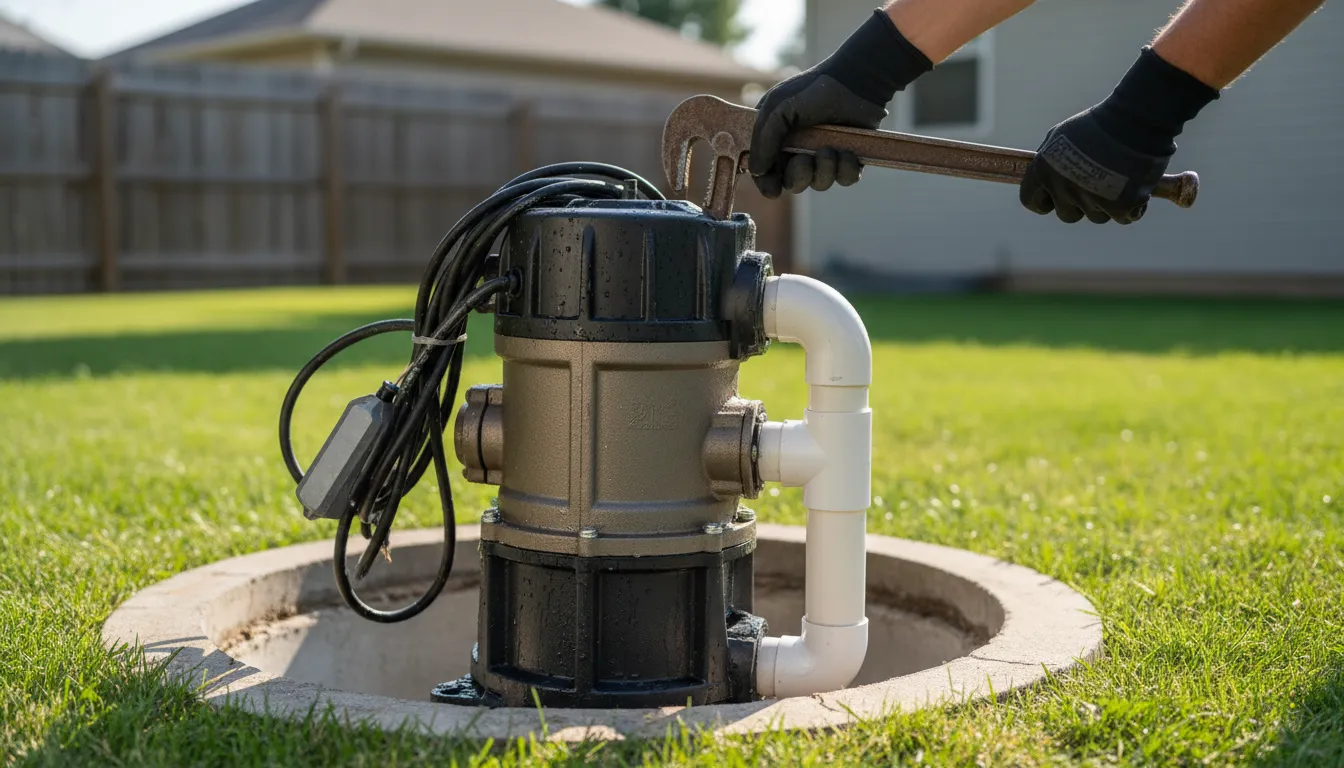
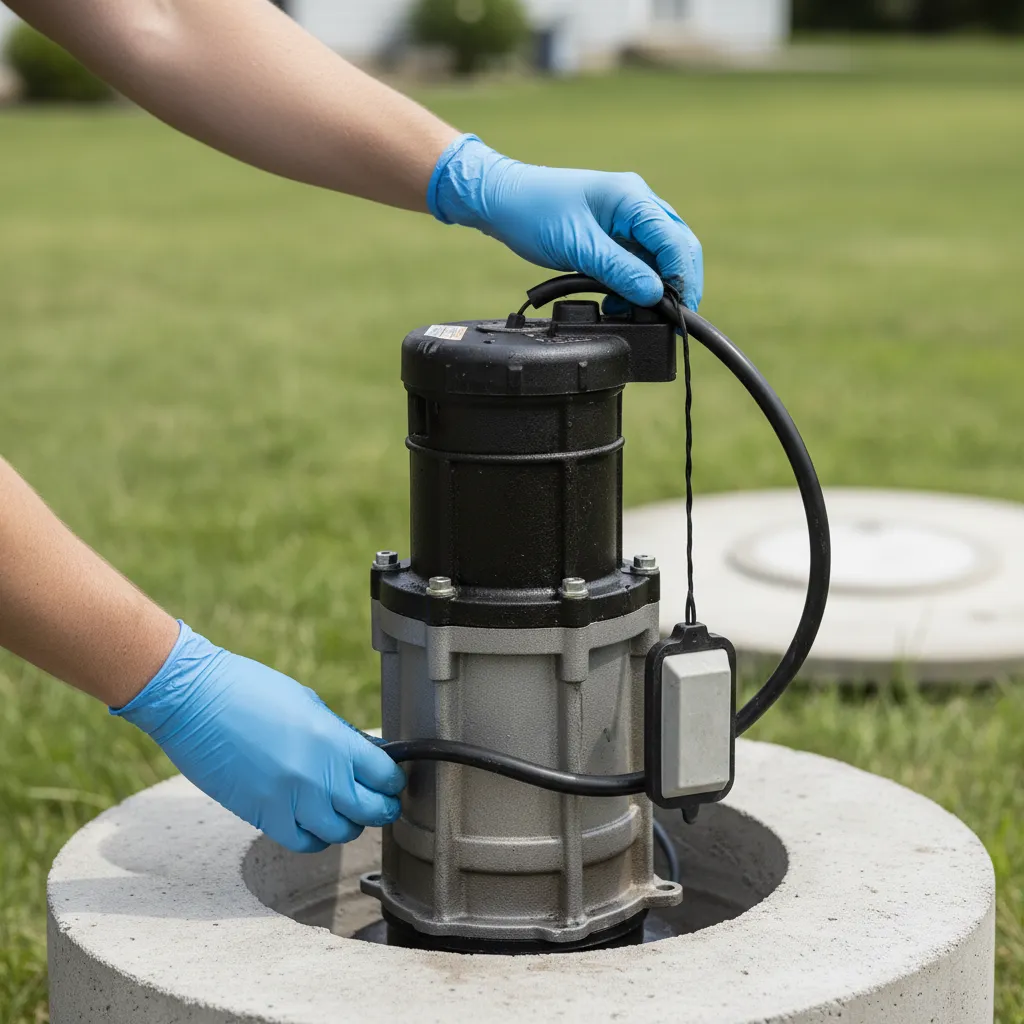
We disconnect and extract the submersible pump or effluent pump from the chamber. Our technician inspects the impeller for clogs or damage to ensure it spins free, tests the motor windings for continuity, examines seals and gaskets for wear, and checks the coupling and O-rings.
Inspect internal components
We repair the failed component on site when possible. If the motor is burned out or the housing is cracked beyond repair, we install a new pump matched to your system’s specifications and flow requirements. Our repairs include replacing any deteriorated check valves, fittings, burst lines, or wiring to restore proper pressure.
Testing and Verification
We reinstall the pump, restore power, and run a full cycle test. We verify the float switch triggers at the correct levels, confirm the alarm system resets properly, and watch the pump discharge effluent to the distribution box. You get a written report in the form of documentation of everything we found and everything we did to keep your system well maintained.
Brands We Use
Septic pump repair quality depends on the components you install. Action Septic Service works exclusively with proven, professional grade brands trusted across the wastewater industry.









Every brand we carry is backed by a manufacturer warranty, and we register that warranty in your name at the time of installation. Your safety matters to us.
Other Services
Septic pump repair
Septic system pump fix
Effluent pump troubleshooting
Septic pump replacement
Submersible pump installation
Float switch replacement septic
Emergency septic pump service
Urgent septic pump failure
Sewage pump not working
Residential septic pump repair
Home septic pump service
Pump chamber maintenance
Commercial septic pump repair
Business wastewater pump fix
Grinder pump repair service
FAQs About Septic Pump Repair
What is septic pump repair?
Septic pump repair is the process of diagnosing and fixing a failed or malfunctioning pump inside your septic system’s pump chamber. The work can involve replacing a burned out motor, a stuck impeller, a faulty float switch, corroded wiring, or worn seals and gaskets. A qualified technician extracts the pump, identifies the failed component, and either repairs it on site as intended or installs a new unit. Never try to do this work yourself without proper training.
When should I call for septic pump repair?
Call as soon as you notice your pump alarm sounding, drains backing up throughout the house, sewage odors near the tank, wet ground over your drain field, or any signs of a leak or dripping around the pump chamber. A septic pump that isn’t cycling will cause your pump chamber to overflow, and raw sewage can back up into your home or saturate your leach field. Early intervention and professional septic pumping prevents expensive secondary damage.
Why do septic pumps fail?
Septic pumps fail for several reasons. Power surges can burn out the motor. Solids and debris clog the impeller. Float switches corrode or get tangled. Seals and O-rings degrade over time, allowing moisture into the motor housing and requiring leak detection. Lack of routine maintenance, including regular tank pumping to maintain proper levels, accelerates wear on every component. Corrosive gas buildup in the chamber also contributes to premature failure.
How long does a septic pump repair take?
Most septic pump repairs take two to four hours from arrival to completion when we work efficiently. Straightforward fixes like a float switch replacement or a check valve swap can finish in under an hour. A full pump replacement with electrical work and cycle testing runs closer to the four hour mark. We offer service during regular business hours and emergency hours as well.
Can I repair a septic pump myself?
Working inside a pump chamber exposes you to toxic gases, electrical hazards, and raw sewage – this is not like checking your water heater or hot water lines. A licensed septic contractor has the training, equipment, and permits to perform this work safely and in compliance with local health department codes. DIY attempts often void warranties and can create code violations that complicate future property sales. View plumbing and septic work as something that requires professional expertise.
Does regular maintenance prevent pump failure?
Routine septic system maintenance significantly extends pump life. Having your tank pumped every three to five years keeps solids from reaching the pump chamber. Annual service and inspections catch worn float switches, corroded wiring, and early seal degradation before they cause a complete breakdown. Preventive service costs a fraction of emergency repair.
Ready to Schedule Your Septic Pump Repair?
Call now for fast, professional service – available 24/7 across all 50 states.