Aerobic System Conversion
Professional aerobic treatment unit installation and septic system retrofitting for residential and commercial properties – serving homeowners, property owners, and building managers with local service and a price guarantee
Licensed & Insured
NOWRA certified technicians on every job
24/7 Emergency Service
Available whenever you need us most
Nationwide Coverage
Serving all 50 states across the USA
Transparent Pricing
Flat rates with no hidden fees
Get Immediate Service
Speak directly with our team – no automated systems
24 Hours – 7 Days a Week
5 Highlights on Aerobic System Conversion
Full system retrofitting
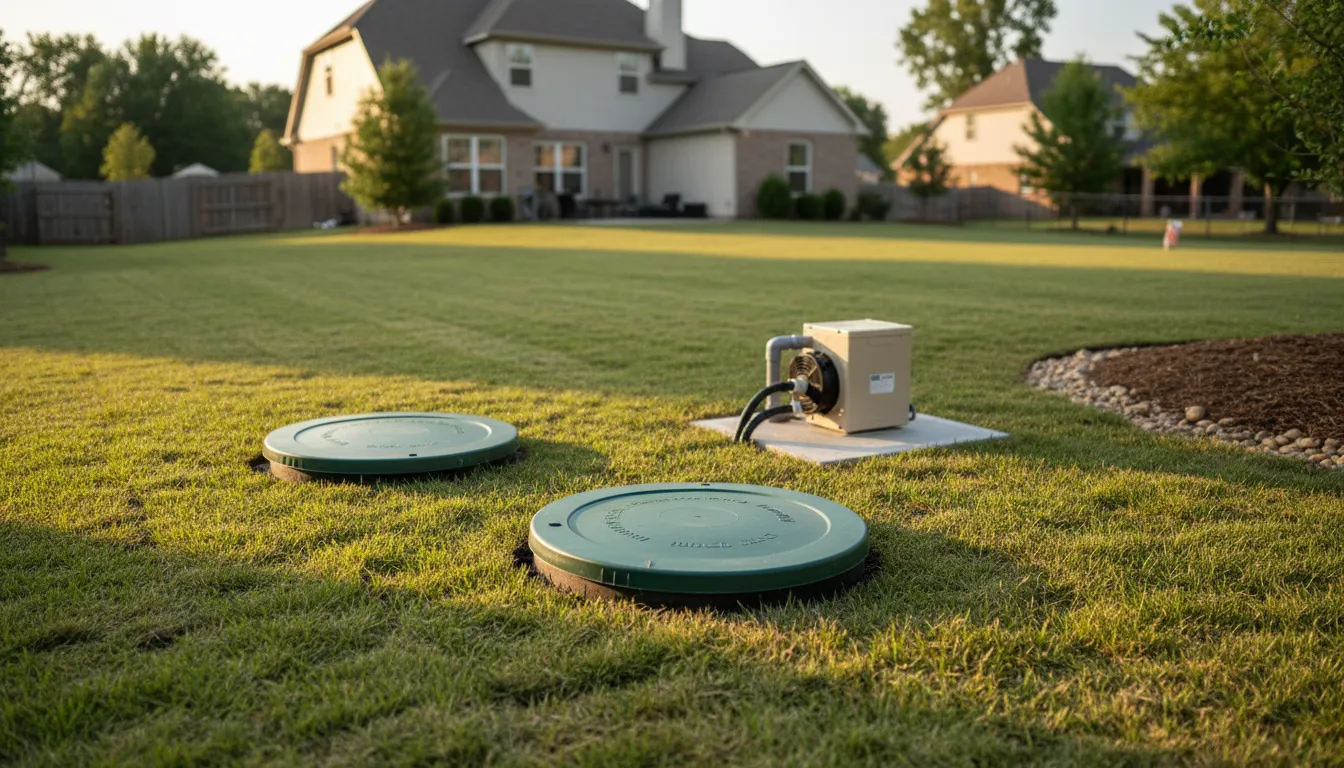
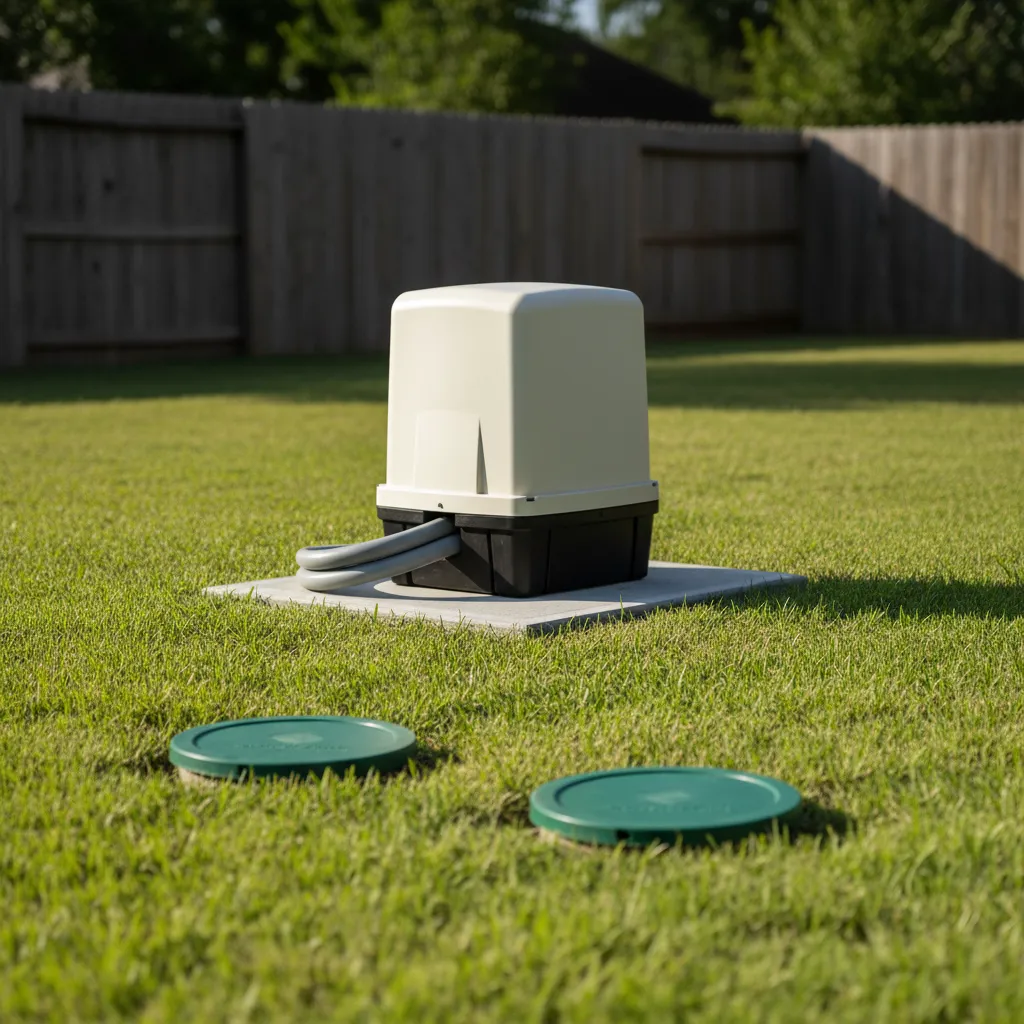
Our certified technicians convert conventional septic tanks into aerobic treatment units by installing compressors, aerators, diffusers, and disinfection chambers that oxygenate and treat wastewater to secondary and tertiary standards. We specialize in underground pipe work and sewer line connections, and we handle permit requirements so you can expect a quick project finish with no disruption to your landscaping or surrounding land.
Permit and compliance handling
We coordinate directly with your local health department to secure every permit required for your aerobic system conversion, so your new installation meets all onsite wastewater regulations from day one. Our team will handle permit application steps, obtain building permit approvals, and ensure your sewer project is completed in compliance with local sewer ordinance and sanitary code requirements. We navigate the confusing permit process for you, taking the stress out of paperwork and timing.
Advanced effluent quality
Aerobic treatment units produce cleaner, treated effluent than anaerobic septic tanks. The conversion process introduces microbial digestion through forced aeration, which breaks down organic matter, reduces suspended solids, and lowers pathogenic coliform counts. This home improvement project helps prevent clog issues and backflow prevention problems affecting your plumbing fixture connections.
Spray irrigation and drip line options
After converting your system, we install pressurized spray heads or subsurface drip lines to disperse treated effluent across your drain field, extending the life of your lateral lines and absorption trenches. Our digging methods are designed to minimize disruption to your ground, and we use pressure test procedures and water test protocols to verify seal integrity before we close up the site.
Ongoing maintenance plans
Every aerobic system conversion includes a scheduled maintenance agreement. Our technicians inspect the air pump, blower motor, chlorinator, float switch, and control panel at regular intervals to keep your system compliant and running at peak biological performance. We help you maintain proper system condition and provide a written report with each visit so you know what was done and what to expect going forward.
Need Immediate Septic Service?
Our team is standing by to help – same week appointments available.
Why Choose Our Aerobic System Conversion
Aerobic system conversion is a specialized service that demands licensed professionals with direct experience in both conventional septic decommissioning and aerobic treatment unit installation. Action Septic Service has performed hundreds of these conversions across residential and commercial properties. We hold every certification required by state and county health departments. As your trusted plumbing partner, we provide a general overview of your sewer project before starting, explain each step, and help you understand the inspection requirement and testing protocols enforced in your area.
Our installers don’t subcontract the work. We excavate, decommission your old system, install the aerobic treatment unit, wire the control panel and alarm, set the chlorinator and contact chamber, and commission the entire system ourselves. One crew handles the full scope. That means fewer scheduling delays and a single point of accountability. Whether you are buying a new dwelling or planning improvements to an existing property, we offer smart solutions focused on getting your project done right the first time.
We back every aerobic system conversion with a workmanship guarantee. If any component we installed fails within the warranty period, we repair or replace it at no additional cost. Our pump trucks and vacuum trucks stand ready for emergency desludging if your system needs immediate attention during the transition. You won’t deal with surprise construction costs or worry about repairs being delayed – we ensure everything is handled quickly and professionally.
Action Septic Service also provides the required post-installation inspections that your health department mandates. We file the paperwork, certify the system, and keep your records on file for future compliance checks. Choosing a qualified, trusted septic service provider for your conversion protects your property value and your groundwater. We serve as your plumbing partner throughout the entire process, and our valued clients know they can call us any time with questions. If you are listing your property for sale, our video recording and sewer inspection documentation can help during closing escrow and meet real estate disclosure requirements. We can arrange a free consultation and walk you through how everything works.
States Served Nationwide
Emergency Availability
Licensed & Insured
Hidden Fees – Ever
Signs You Need Aerobic System Conversion
Aerobic system conversion is the right solution when your conventional septic tank can no longer treat household waste effectively. Here are five signs that your property needs this retrofit. Think of it as a change that can lead to a lasting impact on your home and environment.
Your drain field is failing:
Saturated soil, standing water over your leach field, and sewage surfacing in your yard all point to a biomat buildup that’s clogging your lateral lines. A conventional system can’t recover from advanced drain field failure. Converting to an aerobic treatment unit produces higher quality effluent that won’t overwhelm your percolation capacity. Tree roots and root intrusion can also damage aging underground pipe connections, and soil movement over time may crack or deteriorate your main sewer line. If you’ve heard mention of these issues from a previous sewer video or camera inspection, an aerobic conversion can offset the damage and prevent further problems.
Your perc test results are poor:
Properties with impermeable or clay heavy soil often fail standard percolation tests. An aerobic system conversion paired with a spray irrigation or drip line dispersal method bypasses the limitations of gravity fed absorption trenches entirely. This specific testing requirement is often defined by local codes, and our team can request the appropriate drawing and record documentation to present during your permit application. We connect you with solutions designed for your property address and ground conditions.
You're seeing sewage backup or overflow:
When blackwater or greywater backs up into your home, your septic tank may lack the biological treatment capacity to digest incoming organic matter. Anaerobic systems process waste slowly. Aerobic treatment units oxygenate and agitate the wastewater, accelerating microbial decomposition. A private sewer line inspection can help identify whether your pipe has a clog or if your system is simply overwhelmed. Our video inspection and sewer video services using advanced camera inspection technology can pinpoint the exact place where issues are affecting your plumbing.
Your property is under a health department notice:
Non compliant systems trigger mandatory remediation orders. Converting to an aerobic treatment unit is often the fastest path to regaining certified, compliant status with your local inspector. When public sewer connections are not available, aerobic conversion is an owner-applied solution that can meet even the strictest sanitary standards. Some areas offer a grant program to help offset closing cost and construction costs for qualified projects – we can help you book a consultation to learn if grant funding may apply to your situation.
Odorous conditions persist around your tank or yard:
Strong septic odors indicate incomplete digestion and untreated effluent reaching the surface. Aerobic conversion introduces forced aeration that dramatically reduces hydrogen sulfide and other odorous compounds through oxidation. Odors near your dwelling can also be made worse by damaged pipe seals, aging components that deteriorate with age, or trenchless repairs that were not completed properly. If you live on a property where odors persist, we can provide a line inspection and main sewer assessment to identify the source.
Licensed & Bonded
Full compliance in all 50 states
Detailed Reports
Complete documentation every visit
Flat Rate Pricing
No hidden fees or surprises
Fast Scheduling
Same week appointments available
Our Aerobic System Conversion Process
Aerobic system conversion is a structured, multi-phase process that our technicians execute from initial inspection through final commissioning. Following these steps helps ensure your project stays on track with no surprise delays or confusing change orders.
Site inspection and system evaluation
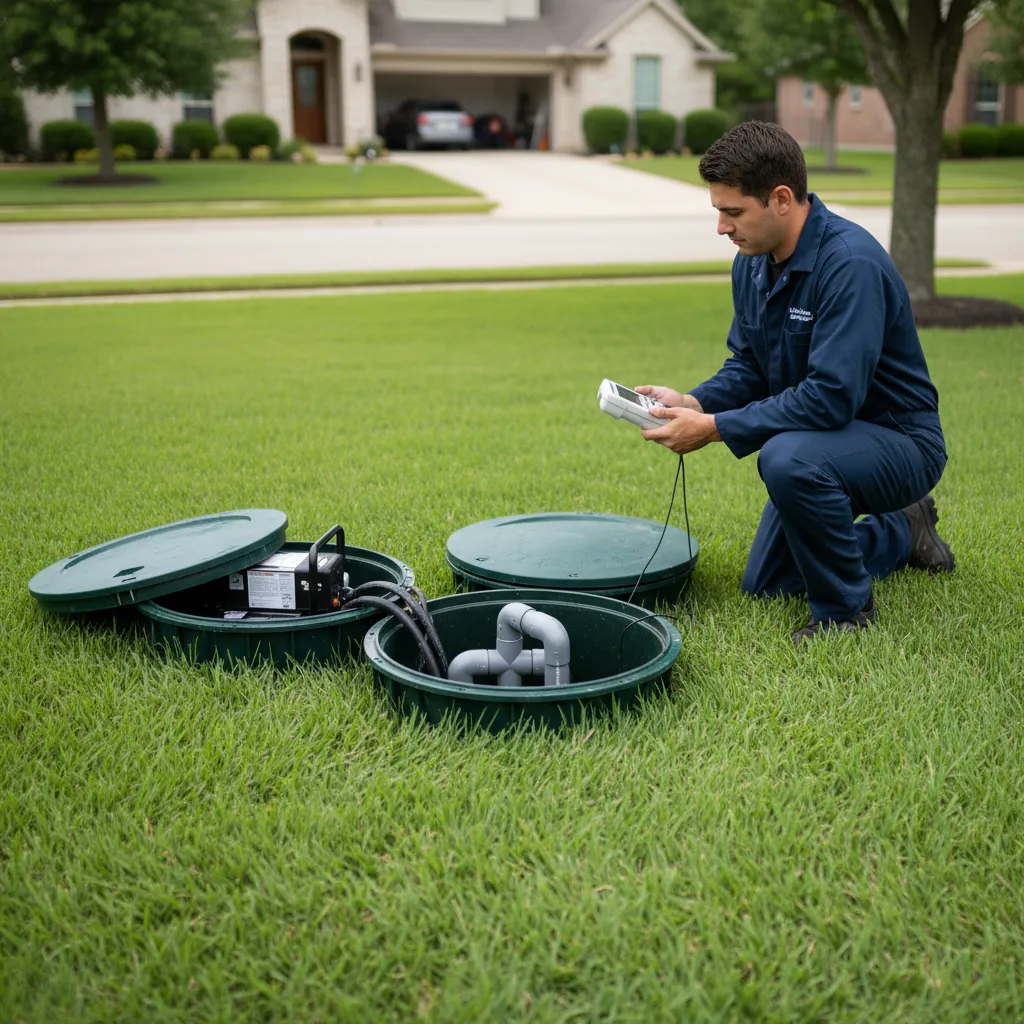
We inspect your existing septic tank, pump chamber, distribution box, drain field, and all inlet and outlet pipes. We assess soil conditions, measure tank dimensions, and identify any structural damage to precast concrete or fiberglass components. Our line inspection and camera inspection tools allow us to see inside your sewer line and record a video recording that becomes part of your project record.
Permit acquisition
We submit all required applications to your health department, including site plans, system specifications, and soil data. We don’t begin work until the permit is approved and posted. Our team will handle permit paperwork, obtain all permits, and navigate the building permit and permit application process so nothing is assumed or delayed. Once granted, we keep a record of the permit on file and include it in your completed project documentation.
Desludging and tank preparation
Our pump truck removes all sludge, scum, and residual wastewater from the existing tank. We clean the baffles, inspect the risers and lids, and verify the tank’s structural integrity for reuse as the primary chamber. This portion of the work is paid close attention to because taking shortcuts here can exceed safety limits and interest from inspectors later.
Aerobic component installation
We install the air pump or blower, diffuser assembly, aerator, float switch, control panel with timer, and alarm system. We then set the chlorinator, chlorine tablet holder, and contact chamber for effluent disinfection. All components are designed to work together using smart control logic, and we protect each electrical connection with proper sealing and conduit.
Effluent dispersal setup
Depending on your site, we install spray heads, drip lines, or a new pressurized lateral line system connected through a dosing chamber and splitter valve. We focus on getting your replacement sewer and line repair work done with minimal ground disturbance and protected landscaping. Our crews stay focused on the remaining scope until the job is move-in ready.
Commissioning and certification
We activate the system, verify airflow and circulation rates, test the alarm, and schedule the health department’s final inspection. Your aerobic system conversion is complete and fully documented. We provide a written report and a record of all work completed, ensuring you have everything you need if you ever remodel, sell, or need to apply for additional permits at your property address.
Brands We Use
Aerobic system conversion requires commercial grade components from manufacturers with proven track records in onsite wastewater treatment. Action Septic Service installs and services these trusted brands:






Every component we install carries the manufacturer’s warranty. Our technicians follow each brand’s specifications for placement, wiring, and startup.
Other Services
Aerobic system conversion
Septic to aerobic conversion
Aerobic treatment unit installation
Convert septic to aerobic
Aerobic system retrofit
Onsite wastewater treatment upgrade
Aerobic septic system installation
Conventional to aerobic conversion
Residential aerobic system replacement
Aerobic conversion service
Septic system upgrade to aerobic
Aerobic unit commissioning and permitting
Professional aerobic system conversion
Retrofit septic to aerobic treatment
Septic tank aerobic conversion cost
FAQs About Aerobic System Conversion
What is an aerobic system conversion?
An aerobic system conversion is the process of retrofitting a conventional anaerobic septic tank into an aerobic treatment unit. Technicians install an air pump, diffuser, control panel, and disinfection chamber that force oxygen into the wastewater. This oxygen fuels aerobic bacteria, which decompose organic matter far more efficiently than the anaerobic microorganisms in a standard septic tank. The result is cleaner, treated effluent that meets stricter discharge standards. This type of project is ideal for property owners who want a made-to-last solution that can serve their home for decades.
When should I convert my septic system to aerobic?
You should convert when your drain field is failing, your soil can’t pass a percolation test, or your health department has issued a non-compliance notice. Properties near waterways, wells, or environmentally sensitive areas often require aerobic treatment to reduce nitrate, phosphorus, and coliform levels in discharged effluent. If you are planning a remodel or considering buying a home with an aging septic system, an aerobic conversion can protect your investment and meet local inspection requirement standards.
Why is aerobic conversion better than replacing my septic tank?
Aerobic system conversion reuses your existing tank as the primary settling chamber, which reduces excavation costs and construction time. The aerobic treatment unit produces secondary or tertiary quality effluent, which means your new drain field or spray irrigation system will last significantly longer than a conventional replacement. This approach can also offer a discount on overall construction costs compared to a full tank replacement, and we can apply for any available grant program funding on your behalf.
How long does the conversion process take?
Most residential aerobic system conversions take three to five working days from desludging through commissioning. Permit timelines vary by county, so we recommend contacting Action Septic Service early to start the application process. Timing can also be affected by weather or scheduling, but we stay in close communication so there are no surprises and you know exactly when to expect each phase of work to be completed.
Can my existing septic tank be used in the conversion?
Yes, in most cases. If your precast concrete or fiberglass tank is structurally sound and meets minimum volume requirements, we retrofit it with internal baffles, an aerator assembly, and a disinfection stage rather than replacing it entirely. We will conduct a thorough sewer inspection to confirm whether your tank can be reused. If there is any crack, seal failure, or root intrusion from tree roots, we will explain the condition and present your options clearly.
Does an aerobic system need regular maintenance?
Aerobic treatment units require scheduled maintenance every four to six months. A certified technician inspects the air pump, blower, chlorinator, effluent filter, and control panel. Sludge levels are checked, and chlorine tablets are replenished. Skipping maintenance voids most warranties and risks non-compliance with your permit. We include maintenance visits in our service program, so you don’t have to worry about remembering to call – we will reach out when it’s time. Each visit includes a written report documenting the work that was done and the current condition of your system.
Ready to Schedule Your Aerobic System Conversion?
Call now for fast, professional service – available 24/7 across all 50 states.