Cesspool to Septic System Conversion
Professional cesspool conversion services that replace outdated cesspools with code-compliant septic systems to ensure safe, long-term waste disposal for your property
Licensed & Insured
NOWRA certified technicians on every job
24/7 Emergency Service
Available whenever you need us most
Nationwide Coverage
Serving all 50 states across the USA
Transparent Pricing
Flat rates with no hidden fees
Get Immediate Service
Speak directly with our team – no automated systems
24 Hours – 7 Days a Week
5 Highlights on Cesspool to Septic System Conversion
Full System Design and Permitting
Action Septic Service handles every phase of your cesspool to septic system conversion, from soil percolation testing and engineered system design to health department permit acquisition and as-built drawings. Our engineering team will plan your system and get everything ready for installation.
Complete Cesspool Decommissioning
Our crews properly abandon your old cesspool by pumping all residual sewage, collapsing or filling the structure with clean aggregate, and sealing it to meet local sanitarian requirements. All waste is safely contained and removed, and the job is not finished until cleaning and disposal are completed.
Engineered Drainfield Installation
We install conventional gravity-fed leach fields, chamber systems, mound systems, and pressurized drain field configurations based on your soil test results and hydraulic load calculations. This includes digging trenches and installing each component with precision.
Precast Concrete and Fiberglass Tanks
Every conversion includes a new septic tank sized to your residential or commercial properties, complete with inlet and outlet baffles, effluent filters, risers, and access lids. Each feature is built with quality materials designed to last.
Certificate of Compliance
We coordinate your Title V inspection and deliver a certificate of compliance so your converted septic system passes all regulatory standards on the first review. We check every detail and confirm the work is done correctly.
Need Immediate Septic Service?
Our team is standing by to help – same week appointments available.
Why Choose Our Cesspool to Septic System Conversion
Cesspool to septic system conversion is a significant investment in your property, your groundwater, and your family’s health. This upgrade protects your property value while reducing environmental impact. Action Septic Service brings decades of field experience to every conversion project we take on. We help homeowners understand every part of the process for homes of all sizes.
We’re a licensed, insured septic contractor with a dedicated team of operators, excavators, and septic engineers who specialize in replacing obsolete cesspools. Our specialized crews have converted hundreds of deteriorated seepage pits and drywells into fully compliant onsite wastewater treatment systems. We handle every job ourselves and don’t subcontract the work. We own our own backhoes, excavators, trenchers, and vacuum trucks. Every project is completed by our authorized team members who serve your needs directly.
Every cesspool conversion we perform starts with a thorough site evaluation. We conduct perc tests, measure setbacks from property lines and wells, assess the water table depth, and design a system that fits your lot. We check the location of existing underground plumbing, water line connections, and gas line routes before digging. We work directly with your local health department to secure permits and schedule inspections.
Our pricing is transparent. You’ll receive a detailed written estimate that covers cesspool abandonment, tank installation, distribution box placement, drainfield construction, backfill, grading, and final inspection. No surprise charges. No hidden fees. Request a free estimate by submitting a contact form, sending an email to [email protected], or call us at (877) 474-1297 for a quote.
Action Septic Service stands behind every conversion with a workmanship guarantee. We’re the trusted, top-rated choice for homeowners who need their cesspool replaced with a modern, engineered septic system. We recommend the best solutions to meet your needs, deliver lasting value, and rise to meet any demand.
States Served Nationwide
Emergency Availability
Licensed & Insured
Hidden Fees – Ever
Signs You Need Cesspool to Septic System Conversion
Cesspool to septic system conversion is the right solution when your existing cesspool can no longer safely treat and disperse wastewater. Here are five signs that your cesspool has reached the end of its service life. When these issues are discovered, acting quickly can prevent further damage.
Persistent Sewage Odors Near the Cesspool:
A failing cesspool releases hydrogen sulfide and other gases through saturated soil. If you smell sewage gas in your yard, near your foundation, or around the cesspool access lid, the structure has likely lost its ability to leach effluent into surrounding soil. The biomat layer at the bottom may be completely clogged. This is a clear issue that needs attention.
Standing Water or Soggy Ground Above the Cesspool:
When a cesspool can’t absorb wastewater fast enough, effluent seeps to the surface. You’ll notice wet, spongy patches of grass or pooling greywater running directly above the pit. This overflow poses a direct pathogen and coliform contamination risk. It is clear that conversion is needed when you see this.
Slow Drains and Backed Up Fixtures:
Toilets that flush sluggishly, sinks that drain slowly, and tubs that hold standing water all point to a cesspool that’s reached capacity. When drains back up repeatedly, snaking or jetting the inlet pipe provides only temporary relief when the cesspool walls are corroded and the soil is saturated. Tree roots can also invade underground plumbing lines and make it impossible to clear drain blockages. At this point, repair is not enough – full conversion is typically the best path forward.
Health Department Notice or Failed Title V Inspection:
Many municipalities now require cesspool conversion as a condition of property sale or upon discovery of a non-compliant system. A failed Title V inspection means your cesspool doesn’t meet current wastewater treatment standards. Municipal building codes may also require conversion before any new construction or renovation is approved.
Elevated Nitrate or Coliform Levels in Well Water:
If your well water tests show rising nitrate concentrations or coliform bacteria, your cesspool may be contaminating the groundwater. Cesspools lack the biological treatment stages that a properly designed septic tank and drainfield provide. Converting to a septic system adds critical treatment layers that protect your drinking water supply. Once your new system is installed and properly maintained, you can expect safe, clean operation for decades.
Licensed & Bonded
Full compliance in all 50 states
Detailed Reports
Complete documentation every visit
Flat Rate Pricing
No hidden fees or surprises
Fast Scheduling
Same week appointments available
Our Cesspool to Septic System Conversion Process
Cesspool to septic system conversion is a multi-phase project that follows a precise sequence. Here’s a step-by-step guide to how Action Septic Service completes every conversion from start to finish. We explain each part of the process so you know what to expect.
Site Evaluation and Soil Testing
We visit your property, locate the existing cesspool, and conduct a percolation test. We dig a test hole to measure the soil percolation rate, identify the water table depth, and document all setbacks from wells, property lines, and easements. This takes time, but you will see how important it is for proper system design.
System Design and Permitting
Our septic engineer designs a new system based on your soil test data, bedroom count, and estimated hydraulic load. We prepare a list of materials and submit the engineered plans and permit application to your local health department. We schedule a meeting with inspectors to keep the project moving forward.
Cesspool Decommissioning
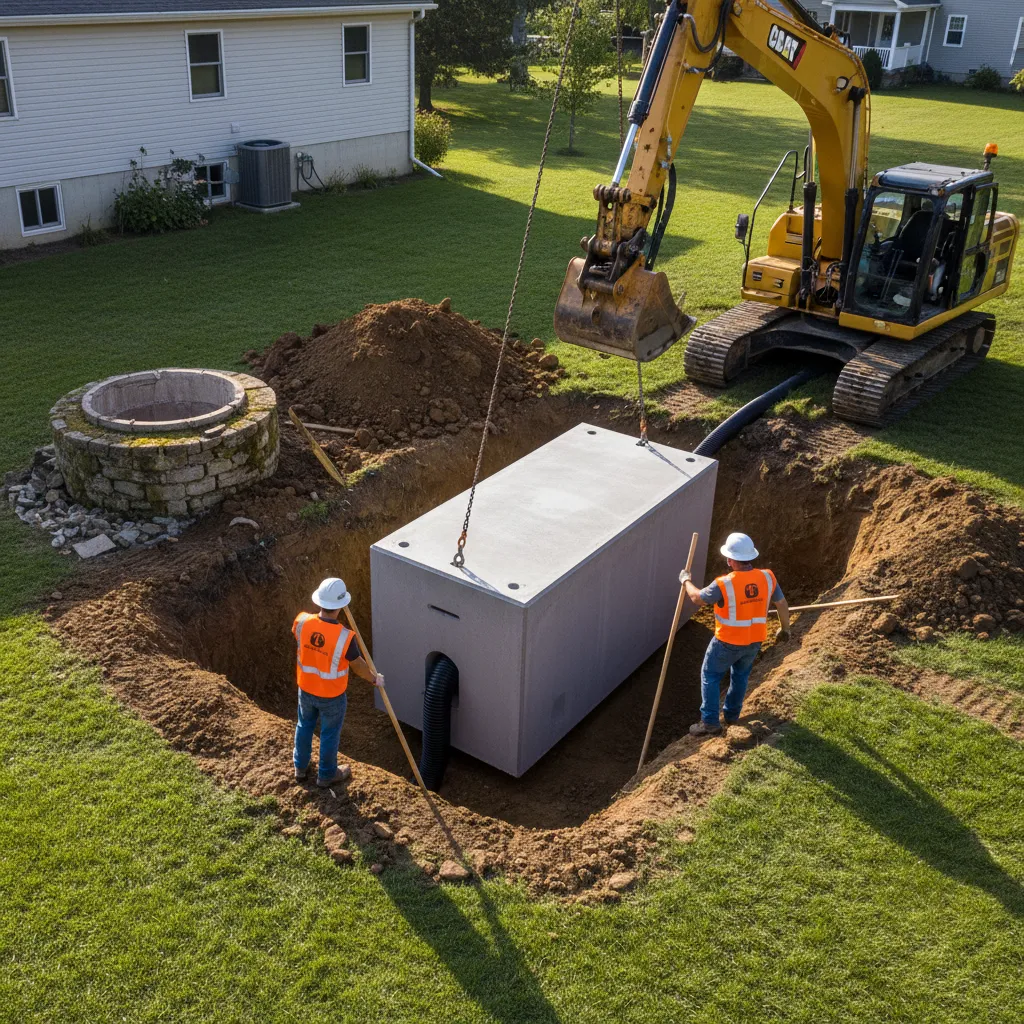
Once the permit is approved, our vacuum truck pumps and removes all sludge, scum, and residual sewage from the old cesspool. All waste is processed and disposed of properly. We then collapse, fill, and seal the structure with approved aggregate and clean fill material. Nothing is left behind, and we keep the project moving on schedule.
Excavation and Tank Installation
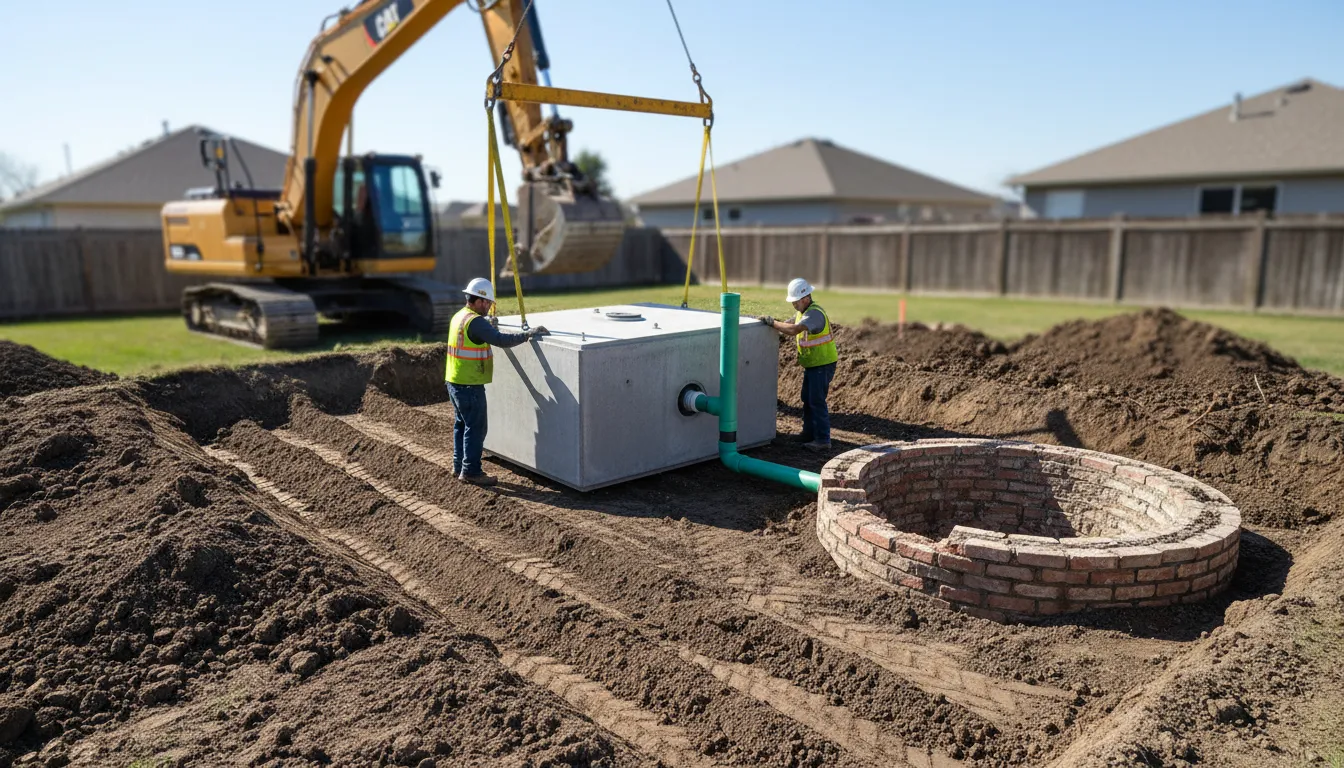
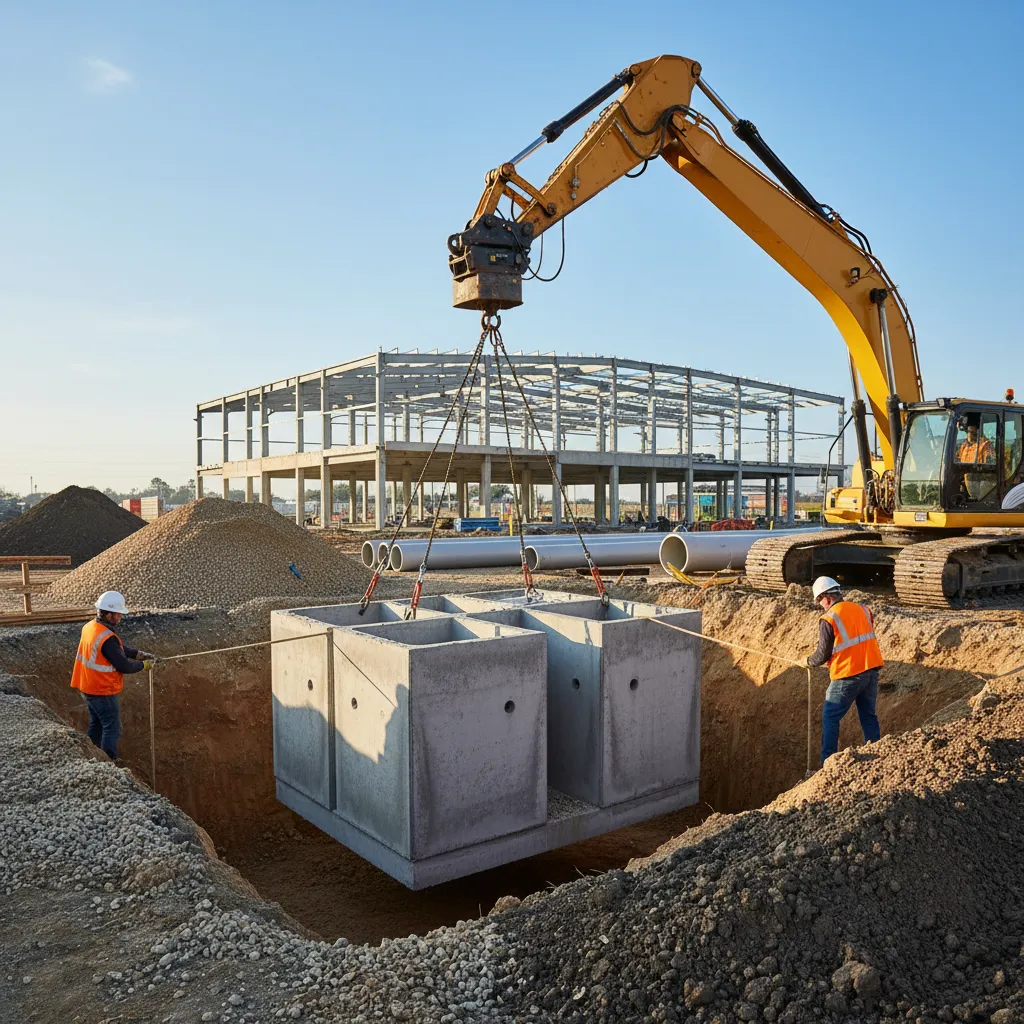
Our backhoe and excavator crew digs the new tank pit and drainfield trenches. We set the precast concrete or fiberglass septic tank, install the inlet and outlet pipes, connect the distribution box, and lay out the leach field laterals with proper gravel bed and geotextile fabric. We make sure each component is connected to the next in your new private sewer system.
Connection, Backfill, and Inspection
We connect the home’s sewer line to the new septic tank, install risers and the effluent filter, backfill all excavations, and grade the site. The health department sanitarian inspects the system before final cover to confirm everything works correctly. You receive your certificate of compliance, a complete as-built drawing, and our phone number for ongoing communication about how to maintain your system.
Brands We Use
Cesspool to septic system conversion demands reliable, proven components that perform for decades underground. Action Septic Service installs products from the industry’s most trusted manufacturers.






Every component we install meets or exceeds local code requirements.
Other Services
Cesspool to septic system conversion
Cesspool replacement with septic tank
Septic system installation, cesspool abandonment, onsite wastewater upgrade
Cesspool conversion service
Convert cesspool to septic
Septic tank installation, drainfield construction, cesspool decommissioning
Cesspool to septic upgrade
Replace cesspool with septic system
Perc test, septic permit, leach field installation
Residential cesspool conversion
Home cesspool to septic conversion
Soil testing, distribution box, septic system design
Professional cesspool conversion
Cesspool removal and septic install
Title V inspection, certificate of compliance, septic engineer
FAQs About Cesspool to Septic System Conversion
What is a cesspool to septic system conversion?
A cesspool to septic system conversion is the complete replacement of an old, single-chamber cesspool with a modern septic tank and drainfield. The cesspool gets pumped, collapsed, and sealed. A new septic tank, distribution box, and leach field are installed to properly treat and disperse household wastewater through biological decomposition and soil absorption. Getting a new drain field ensures proper effluent dispersal.
When should I convert my cesspool to a septic system?
You should convert when your cesspool shows signs of failure – sewage odors, surface overflow, backed-up drains, or contaminated well water. Many states and municipalities now mandate conversion during property transfers or when a cesspool is within a certain distance of groundwater or coastal resources. Keep in mind that some properties may wish to connect to municipal sewer instead, but we offer complete septic conversions for those without access to public sewer lines.
How long does a cesspool to septic conversion take?
Most residential conversions take five to ten working days from excavation to final inspection. On average, permitting and soil testing add two to six weeks before ground is broken. Weather, site conditions, and health department scheduling can affect the timeline. We pull all permits needed and keep you informed throughout the process.
How much does it cost to convert a cesspool to a septic system?
Costs vary based on system type, soil conditions, tank size, and drainfield configuration. A conventional gravity-fed system costs less than a mound system or pressurized drainfield. In each case, Action Septic Service provides detailed written estimates with no hidden charges. Contact us to request a site evaluation for your property.
Can I keep using my cesspool instead of converting?
In many jurisdictions, you cannot. Health departments are phasing out cesspools because they discharge untreated sewage directly into the ground. Cesspools lack the baffles, effluent filters, and drainfield treatment stages that protect groundwater from pathogens, nitrates, and phosphorus contamination. Regulations are posted and updated in a consistent form across most states, and there is no going back once a violation is discovered.
Does a cesspool conversion require a permit?
Yes. Every cesspool to septic system conversion requires a permit from your local health department. The permit process includes a soil and percolation test, an engineered system design, and inspections at multiple stages of construction. Action Septic Service manages the entire permitting process for you so you can get started quickly and install your new system without delays.
Ready to Schedule Your Septic Tank Pumping?
Call now for fast, professional service – available 24/7 across all 50 states.